Large server deployments depend on memory that can handle heavy workloads without creating avoidable performance or compatibility issues. Choosing the right Server memory supplier is therefore about more than finding the lowest price. Businesses need dependable stock, accurate specifications, consistent quality, and support throughout the purchasing process. Ram Exchange provides memory options for different server requirements, helping buyers compare products based on system needs rather than guesswork. A careful supplier choice can also make future upgrades easier and reduce delays caused by unsuitable or unavailable components.
Start With Your Server Requirements
Before contacting a supplier, document the memory requirements for the servers being deployed. Check the server manufacturer, model, processor platform, supported memory type, maximum capacity, number of memory slots, and supported memory speeds. Memory specifications can vary significantly between server platforms. A module that physically fits a slot may still be unsuitable for the system. Review the server documentation and identify the exact specifications required for the deployment. Also consider the workload. Database servers, virtualisation hosts, cloud infrastructure, and application servers can have very different memory demands. Knowing the expected workload helps determine both the amount and type of memory needed.
See also: Building a Profitable Apparel Brand Using DTF Transfers
Check Memory Compatibility Carefully
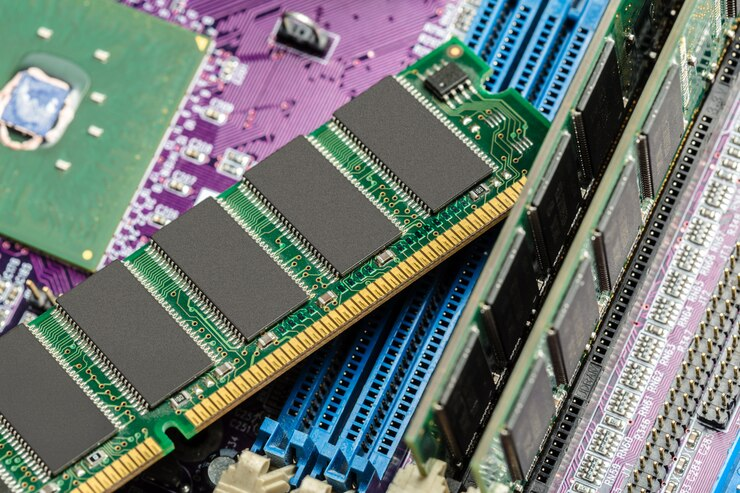
Compatibility should be one of the first areas you discuss with a supplier. Server memory may include different technologies, capacities, speeds, ranks, and error-correction features. ECC memory, for example, is widely used in server environments because it can detect and correct certain types of memory errors. Some servers also require specific registered or load-reduced memory modules. A reliable supplier should be able to provide clear specifications rather than simply recommending a module based on capacity.
Ask for details such as:
- Memory generation and technology
- Capacity per module
- Speed and bandwidth
- ECC support
- Registered or unbuffered design
- Rank configuration
- Voltage requirements
- Server compatibility
- Manufacturer or part number
Accurate information at this stage can prevent expensive compatibility problems after delivery.
Look at Product Quality and Testing
Large deployments require consistency. Buying a large number of memory modules from an unreliable source can create problems if some modules perform differently, arrive with defects, or fail during installation. Ask how memory is tested before it is shipped. A dependable Server memory supplier should be able to explain its quality checks and provide clear information about product condition. For new memory, confirm that the modules meet the stated specifications. For refurbished or used memory, ask about testing procedures, grading, warranty coverage, and return conditions.Ram Exchange can be considered as part of the supplier evaluation process when comparing available server memory options and specifications. Buyers should still match each product against their exact server requirements before placing a large order.
Review Stock Availability
Availability matters just as much as technical specifications during a large deployment. A supplier may offer the right memory but have only a small quantity available. Ask about current stock levels and whether the supplier can provide the full quantity required. For larger projects, confirm whether additional units can be sourced if the deployment expands.
It is also useful to ask about lead times. A few days of delay may not sound significant, but a delayed memory shipment can hold up server installation, testing, and system rollout. Suppliers with dependable inventory processes can make large purchasing projects easier to plan. Clear communication about stock and delivery dates also helps teams avoid last-minute substitutions.
Compare Pricing Beyond the Unit Cost
Price is naturally part of a large procurement decision, but the cheapest module is not always the least expensive choice overall. A low-cost memory module may create additional costs if it has poor reliability, limited warranty coverage, uncertain specifications, or long replacement times. Compare the complete purchasing terms rather than looking only at the price shown per module.
Consider:
- Unit price
- Quantity discounts
- Shipping charges
- Warranty period
- Return policy
- Replacement process
- Testing and quality checks
- Expected delivery time
- Availability of future stock
A supplier that offers clear terms and dependable products may provide better value over the full deployment cycle.
Ask About Warranty and Returns
Large orders need clear protection if something goes wrong. Before purchasing, review the supplier’s warranty terms and return policy. Find out how defective memory is handled and how quickly replacement units can be supplied. Also check whether the warranty applies to the full order and whether any conditions affect coverage.
The process should be easy to understand. Buyers should not have to search through unclear terms to find out what happens when a module fails. For business-critical servers, replacement speed can matter almost as much as the warranty itself. A supplier with a straightforward return and replacement process can reduce disruption during maintenance.
Consider Support Before and After the Sale
Good supplier support can be useful before the order is placed, especially for large or mixed-server deployments. Technical questions may arise around memory capacity, module configuration, compatibility, or upgrade planning.Ask whether the supplier has knowledgeable staff who can help identify suitable products. The quality of communication during the sales process can also provide an indication of what support may be like after the purchase.Ram Exchange offers another option for buyers comparing server memory products for different deployment needs. Reviewing product details and asking specific compatibility questions can help procurement teams make more informed decisions.
Think About Future Expansion
A server deployment rarely stays exactly the same for its entire operating life. Memory requirements can increase as applications grow, more virtual machines are added, or additional users are supported. For this reason, consider future upgrades when choosing a supplier. Ask whether the supplier expects to carry the same or compatible memory products later.Keeping consistent memory specifications across a server environment can simplify maintenance. It can also make future upgrades easier for IT teams that need to expand capacity without replacing existing modules.A supplier with a broad product range may be useful here. Buyers can review available options through resources such as Explore Our RAM Products before deciding which memory configuration fits their systems.
Check Supplier Reputation and Communication
Supplier reputation can provide useful insight into reliability, but it should not be the only factor in the decision. Look for clear product descriptions, transparent policies, responsive communication, and evidence that the supplier understands server memory. Reviews can help identify recurring issues with delivery, product condition, or customer service. However, buyers should also ask direct questions before placing a large order. A professional supplier should respond clearly when asked about compatibility, stock, warranties, and delivery schedules. Vague answers can be a warning sign, particularly for large purchases where mistakes can become costly.
Plan the Order Around Deployment Stages
Large deployments are easier to manage when memory purchasing is connected to the installation schedule. Instead of treating the order as a simple bulk purchase, map out when each server group will be installed and tested. Confirm that memory will arrive early enough for installation and validation. For particularly large projects, consider whether a smaller test order makes sense before purchasing the entire quantity. Testing a sample batch can help identify compatibility or configuration issues before they affect the full deployment. It also gives the IT team an opportunity to verify performance under the planned workload.
Make Supplier Selection Part of the Deployment Plan
Choosing a Server memory supplier should involve more than comparing product prices. Compatibility, quality, stock, warranty coverage, technical support, and future availability all affect the success of a large server deployment. Ram Exchange can be included in the supplier comparison process when businesses are reviewing server memory options for new installations or upgrades. Taking time to verify specifications and purchasing terms before ordering can reduce avoidable delays and make the deployment easier to manage.
For reliable server memory options and help with your next large deployment, contact Ram Exchange today to discuss your requirements and find suitable memory products for your systems.