In today’s fast-moving digital world, businesses need marketing materials that are both visually appealing and quick to produce. Among the oldest yet most effective promotional tools, flyers continue to play a valuable role in advertising products, events, services, and special offers. However, designing a professional flyer has traditionally required graphic design skills, creative thinking, and significant time.
Artificial intelligence (AI) is transforming this process by making flyer design faster, smarter, and more accessible than ever before. Whether you’re a small business owner, marketer, freelancer, or event organiser, AI-powered design tools can help create impressive marketing materials with minimal effort.
Why Flyers Still Matter in Modern Marketing
Although digital marketing dominates many advertising strategies, flyers remain highly effective for both online and offline campaigns. Businesses distribute flyers at local events, trade shows, retail stores, universities, and community gatherings. Digital flyers are also widely shared through email campaigns and social media platforms.
A well-designed flyer quickly communicates important information, captures attention, and encourages potential customers to take action. When combined with modern digital marketing techniques, flyers continue to deliver excellent promotional value.
See also: How a Custom Flat Glass Rooflight Improves the Look and Value of Your Property
The Evolution of Flyer Design
Years ago, creating promotional materials involved hiring professional designers or learning advanced graphic design software. This process could take several days and often required multiple revisions before the final version was ready.
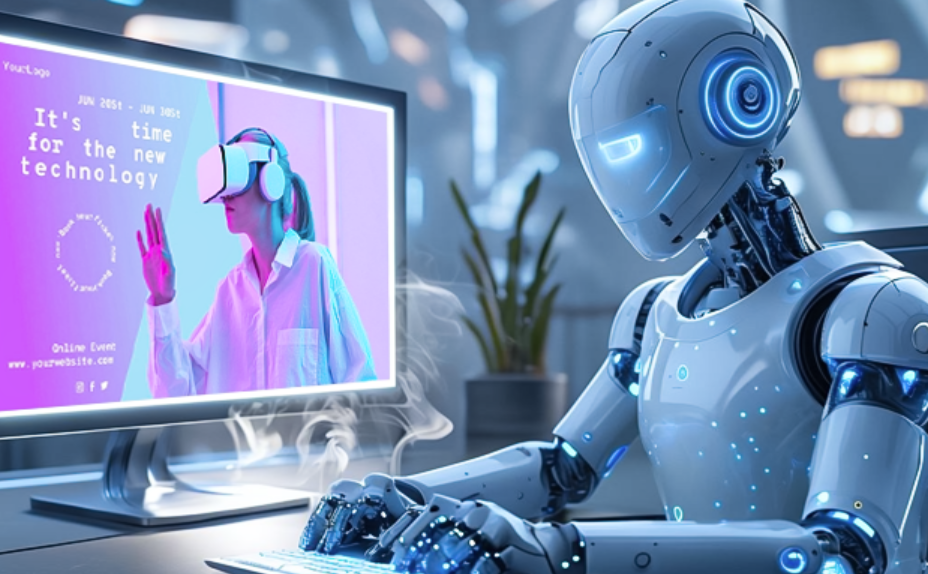
Today, AI has dramatically changed the workflow. Modern design platforms analyse user input, understand design principles, and automatically generate layouts, typography suggestions, colour combinations, and visual elements that match the intended purpose.
This shift allows businesses of every size to produce high-quality promotional materials without needing extensive design experience.
How AI Is Transforming Flyer Creation
Artificial intelligence simplifies nearly every stage of the design process.
Automatic Layout Generation
Instead of starting with a blank canvas, AI instantly recommends professionally balanced layouts based on the flyer’s purpose. Whether promoting a conference, restaurant, product launch, or seasonal sale, the software creates organised sections for headlines, images, descriptions, and contact information.
Smart Colour Selection
Choosing colours that work well together can be difficult for beginners. AI analyses branding preferences and automatically suggests harmonious colour palettes that improve readability and visual appeal.
Intelligent Typography
Selecting the right fonts is equally important. AI recommends font combinations that maintain consistency while making headlines stand out and body text easy to read.
Image Recommendations
Many AI design tools recommend relevant stock images or generate original visuals based on the flyer’s topic. This saves designers valuable time searching through thousands of image libraries.
Faster Editing
Need to resize text, move objects, or change colours? AI-powered editing features make these adjustments in seconds while maintaining a balanced overall design.
Benefits for Small Businesses
Small businesses often have limited marketing budgets. Hiring professional designers for every promotion isn’t always practical.
AI-powered flyer creation provides several advantages:
- Lower design costs
- Faster project completion
- Consistent branding
- Easy updates
- Professional-looking results
- Better productivity
This enables businesses to launch promotional campaigns more frequently without increasing expenses.
Improving Marketing Efficiency
Marketing teams frequently create flyers for product launches, seasonal discounts, workshops, exhibitions, webinars, and community events.
AI significantly reduces repetitive design work by automating routine tasks. Instead of spending hours adjusting spacing, colours, or alignment, marketers can focus on writing compelling content and planning campaign strategies.
The result is a faster production cycle and more consistent marketing materials.
AI Personalisation in Flyer Design
One of AI’s greatest strengths is personalisation.
Advanced design platforms can create multiple flyer versions tailored for different audiences. For example:
- Young adults
- Corporate professionals
- Parents
- Students
- Local communities
Each version may use different colours, wording, imagery, or layouts while maintaining the same overall brand identity.
This personalised approach often improves engagement and marketing effectiveness.
AI and Brand Consistency
Maintaining consistent branding across marketing materials is essential for building recognition.
AI helps by automatically applying:
- Company colours
- Brand fonts
- Logo placement
- Design style
- Visual hierarchy
This ensures every flyer matches the company’s existing marketing identity.
Human Creativity Still Matters
Despite AI’s impressive capabilities, human creativity remains essential.
AI can generate layouts and recommend designs, but people still provide:
- Marketing strategy
- Brand messaging
- Creative ideas
- Emotional storytelling
- Customer understanding
The best results come from combining AI’s speed with human imagination.
Understanding the Basics of Flyers
To better understand the history and purpose of a flyer as a marketing tool, Wikipedia provides an informative overview of how flyers have been used for advertising, announcements, and public communication.
The Future of AI-Powered Creative Marketing
Artificial intelligence continues to improve rapidly. Future flyer design tools may include:
- Voice-controlled design generation
- Automatic multilingual translations
- Real-time audience optimisation
- AI-generated illustrations
- Predictive design recommendations
- Performance-based layout improvements
As machine learning evolves, creating effective promotional materials will become even more efficient and accessible.
Final Thoughts
The future of flyer design is becoming increasingly intelligent, efficient, and user-friendly. AI is removing many of the technical barriers that once made professional design difficult, allowing businesses, entrepreneurs, and marketers to create visually appealing promotional materials in a fraction of the time.
Rather than replacing creativity, AI enhances it by handling repetitive tasks and providing smart design assistance. Businesses that embrace AI-powered creative marketing can produce high-quality flyers more consistently, reduce costs, and respond quickly to changing promotional needs.
As technology continues to evolve, AI will undoubtedly become one of the most valuable tools for creating impactful marketing materials while keeping the creative process accessible to everyone.