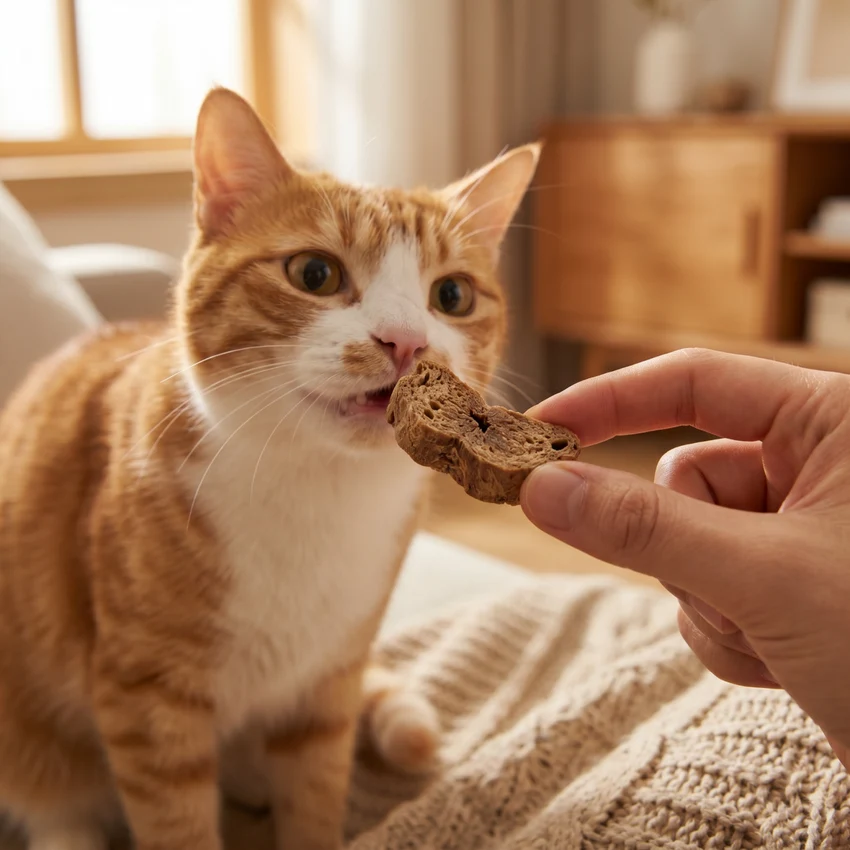
A cat’s diet can include more than its regular meals, and small, nutrient-rich treats can add variety without taking over the bowl. Beef liver for cats is one option that has attracted attention among pet owners because liver contains several vitamins and minerals cats need. Still, more is not better. Liver is nutrient-dense, so portion size and frequency matter. Choosing a quality source and serving it appropriately can make liver a useful occasional treat rather than an everyday food. Wild Instinct Pet offers pet owners another way to consider nutrient-focused treats as part of a sensible feeding routine.
Why Liver Can Be a Useful Cat Treat
Liver is an organ meat, and organ meats naturally contain a concentrated range of nutrients. Cats are obligate carnivores, meaning animal-based foods are an important part of their natural nutritional needs. Beef liver provides nutrients such as vitamin A, iron, copper, riboflavin, and vitamin B12. These nutrients support several normal functions in a cat’s body, including metabolism, blood cell production, and immune function. A small amount can therefore provide more nutritional value than many ordinary snack foods. The main consideration is moderation because the nutrient concentration of liver means a large serving can provide excessive amounts of certain nutrients.
Nutrients Found in Beef Liver
Understanding what is inside liver helps explain why it can be appealing as an occasional treat.
Vitamin A
Beef liver is especially rich in preformed vitamin A. Cats need vitamin A for normal vision, immune function, skin, and other body processes.
Unlike some animals, cats cannot rely on plant-based beta-carotene to meet their vitamin A needs in the same way. They require preformed vitamin A from animal sources. Because liver contains a high concentration, serving too much over time can contribute to excessive vitamin A intake. Treat it as a supplement to a balanced diet rather than the main source of nutrition.
Vitamin B12
Vitamin B12 supports normal nerve function and the formation of red blood cells. Beef liver is naturally rich in B12, making it a nutrient-dense animal-based food.
Cats already eating a complete and balanced commercial diet generally receive the B12 they need. Liver can simply add another source when used occasionally.
Iron and Copper
Iron helps the body transport oxygen through the blood, while copper is involved in several metabolic processes. Liver contains both minerals in concentrated amounts. These nutrients are useful, but cats do not need large portions to benefit from them. A small treat is usually more appropriate than adding substantial liver to every meal.
Potential Benefits of Beef Liver for Cats
Used responsibly, liver can add nutritional variety to a cat’s treat routine.
Supports normal body functions: The vitamins and minerals found in liver contribute to normal immune, metabolic, neurological, and blood-related functions.
Provides animal-based nutrition: Cats are designed to obtain many essential nutrients from animal sources. Liver fits naturally within that type of diet.
Adds variety: Some cats enjoy the strong taste and aroma of organ meat. A small liver-based treat can make snack time more interesting.
Can be useful for training: Tiny pieces can work as high-value rewards for cats that respond well to food-based reinforcement. Because liver is rich, the pieces do not need to be large.
Offers concentrated nutrition: Compared with many low-nutrient treats, a small portion of liver can provide meaningful amounts of several vitamins and minerals.
These benefits do not mean liver should replace a cat’s regular food. A complete and balanced cat food should remain the foundation of the diet.
How Much Beef Liver Should a Cat Eat?
Portion size is one of the biggest considerations with liver. It is much richer in certain nutrients than ordinary muscle meat. There is no single serving amount that suits every cat. Age, body size, health status, existing diet, activity level, and the type of liver treat all matter. For healthy adult cats, liver is generally better treated as an occasional addition rather than a daily staple. Treats overall should also remain a small part of the cat’s daily calorie intake.
A simple approach is to start with a very small piece and watch how your cat responds. If the treat is new, introducing it gradually can also make it easier to identify digestive sensitivity. Pet owners should avoid creating a diet made largely from liver. Regularly feeding excessive amounts can lead to nutritional imbalance, particularly because of its high vitamin A content.
Raw, Cooked, or Freeze-Dried Liver?
Raw liver is nutrient-rich but requires careful handling. Cooked liver can be easier to serve, while freeze-dried liver offers convenience and concentrated nutrition. Each option has different benefits, safety considerations, and storage needs.
Cooked liver: Plain, thoroughly cooked liver can be offered in small quantities. Avoid ingredients such as onions, garlic, heavy seasoning, sauces, and excess salt, which are unsuitable for cats.
Raw liver: Raw animal products can carry harmful bacteria and parasites. Handling and feeding raw organ meat also creates food-safety considerations for people and pets.
Freeze-dried liver: Freeze-dried treats are convenient, shelf-stable, and easy to break into small portions. They can also make portion control simpler because individual pieces can be measured according to the cat’s size and dietary needs.
Wild Instinct Pet can be considered by owners comparing ingredient-focused treat options, particularly when they want a simple way to add animal-based treats to a cat’s routine.
Choosing a Quality Liver Treat
Not every liver treat is the same. Checking the label before buying can help you make a more suitable choice. Look for products that clearly identify the animal source and list the ingredients. A short ingredient list can make it easier to understand what your cat is actually eating.Avoid treats loaded with unnecessary fillers, artificial flavors, excessive salt, or ingredients that are not appropriate for cats. Treats should complement the primary diet rather than compete with it. Storage instructions also matter, particularly for freeze-dried products. Follow the manufacturer’s guidance after opening and keep treats protected from moisture and contamination. Wild Instinct Pet is another brand pet owners may review when comparing meat-based treat choices and ingredient quality.
Cats That May Need Extra Care
Healthy cats can often enjoy occasional liver treats, but some cats need a more careful approach. Cats with diagnosed liver disease, kidney problems, digestive disorders, or other medical conditions may have dietary restrictions. A cat receiving a prescription diet should not have additional treats added without checking with the veterinarian. Kittens also have different nutritional requirements from adult cats. Pregnant or nursing cats may have increased nutritional needs as well. Cats taking medication or managing a chronic condition deserve individual dietary advice. A veterinarian can help determine whether liver treats fit into the animal’s overall nutritional plan.
See also: Strategies That Strengthen Business Growth
Smart Feeding Tips for Dried Liver
The biggest mistake is treating a nutrient-dense organ meat like an ordinary snack. Feeding large amounts every day can create nutritional problems. Another common mistake is giving seasoned human food containing liver, as ingredients used in human recipes may be unsafe for cats. Pet owners should also avoid replacing complete cat food with homemade mixtures unless the diet has been properly formulated with professional nutritional guidance.
A positive approach is to use dried liver as a small reward or meal topper rather than a main food source. Breaking larger pieces into smaller portions makes it easier to control how much your cat receives. Choosing a simple, single-ingredient product can also make feeding easier. Check the label, follow the serving guidance, and introduce the treat gradually so you can see how your cat responds. Portion control matters even with high-quality treats. A healthy snack can become a dietary problem when it is offered too frequently or in excessive amounts.
A Practical Way to Add Liver to Treat Time
Start with a tiny portion and offer it separately from the cat’s normal meal. Observe appetite, stool consistency, and general behavior after introducing the treat. If your cat tolerates it well, liver can remain an occasional reward. Breaking freeze-dried pieces into smaller portions is particularly useful for cats that beg frequently because one treat can become several tiny rewards.
Keep fresh water available and continue feeding a nutritionally complete main diet. Treats should add enjoyment and variety without disrupting the nutritional balance of everyday meals.Wild Instinct Pet can be included in your comparison when selecting animal-based treats, but the right choice should always depend on the individual cat, the ingredient list, and the feeding guidance provided on the product.
Frequently Asked Questions
Is beef liver safe for cats?
Small amounts of properly prepared beef liver can be suitable for many healthy cats. Excessive feeding is not recommended because liver contains high levels of certain nutrients, particularly vitamin A.
Can cats eat beef liver every day?
Daily liver feeding is generally not advisable unless a veterinarian has specifically recommended it as part of a properly balanced diet. Occasional small portions are a safer approach for treats.
Is freeze-dried beef liver good for cats?
Freeze-dried liver can be a convenient treat because it is easy to store and portion. Check the ingredients and feeding instructions, and introduce it gradually.
Can kittens eat beef liver?
Kittens have specific nutritional requirements for growth, so treats should make up only a small part of their diet. Ask a veterinarian before regularly adding liver to a kitten’s meals.
What happens if a cat eats too much liver?
Regularly consuming excessive liver can result in excessive vitamin A intake and nutritional imbalance. If a cat has eaten a large quantity, contact a veterinarian for advice.
A Better Treat Starts With Moderation
Beef liver for cats can be a nutrient-rich treat when served in sensible portions and used alongside a complete, balanced diet. Its naturally high levels of vitamin A, B12, iron, copper, and other nutrients make it different from ordinary snacks, which is exactly why moderation matters. For pet owners comparing animal-based treats, Wild Instinct Pet offers options worth reviewing alongside ingredient quality, portion guidance, and the individual needs of the cat. A thoughtful treat routine does not need to be complicated. Small portions, simple ingredients, and sensible frequency can keep snack time enjoyable without taking the focus away from everyday nutrition.
Looking for thoughtfully made animal-based treats for your cat? Explore Wild Instinct Pet and choose an option that fits your pet’s everyday feeding routine.