The way customers interact with restaurants has changed dramatically over the past decade, and the future of restaurant ordering is unmistakably digital. From QR code menus and mobile apps to AI-powered self-service kiosks, the tools available to restaurant operators today are more powerful, more affordable, and more integrated than ever before. Understanding these technologies and how they fit into your operation is essential for staying competitive in a rapidly evolving market.
The Evolution of Restaurant Ordering
Traditional pen-and-paper ordering has given way to a spectrum of digital alternatives that each offer distinct advantages. The transition has been accelerated by rising labour costs, increasing customer expectations for speed and accuracy, and the rapid adoption of smartphones and digital payment methods.
Popular Digital Ordering Methods
QR Code Table Ordering
QR code ordering allows customers to scan a code restaurant ordering on their table using their own smartphone, browse the full menu with photos and descriptions, and submit their order directly to the kitchen. This approach is particularly popular in casual dining and food courts, where it reduces table dwell time and minimises the need for constant server visits.
Self-Service Kiosk Ordering
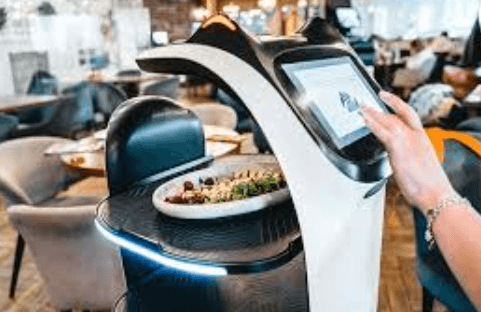
Free-standing kiosk terminals placed at restaurant entrances or ordering zones give customers full control over their meal selection and payment. Kiosk ordering consistently drives higher average transaction values through intelligent upselling features and visual menu presentation, making it a popular choice for high-volume quick-service establishments.
Mobile App Ordering
Branded restaurant apps allow customers to pre-order meals, customise their selections, and pay in advance, reducing friction at the point of service. Apps also provide a direct channel for loyalty programmes, targeted promotions, and personalised recommendations based on order history.
Benefits for Restaurant Operators
Improved Order Accuracy
Digital ordering eliminates the communication errors that can occur when orders are relayed verbally between customers, servers, and kitchen staff. With direct digital order transmission, the kitchen receives precise instructions exactly as the customer intended, resulting in fewer mistakes and less food waste.
Valuable Customer Data
Every digital order generates data that can inform menu design, promotional strategies, and staffing decisions. Understanding which dishes are most popular, when peak ordering times occur, and how customers customise their meals gives operators a significant competitive advantage.
Key Factors for Successful Implementation
- Ensure the ordering interface is intuitive and accessible for all customer demographics
- Provide clear staff training to support customers who need assistance
- Integrate ordering systems with kitchen display and inventory management
- Test the system thoroughly before full deployment to identify potential issues
Frequently Asked Questions
Q: How does digital ordering affect the customer experience?
A: Research consistently shows that most customers view digital ordering positively, particularly younger demographics. The ability to browse at their own pace, view item details and photos, and customise orders without pressure contributes to greater satisfaction.
Q: Will digital ordering reduce the need for service staff?
A: Digital ordering typically allows restaurants to reallocate staff rather than eliminate positions entirely. Staff freed from taking orders can focus on hospitality, food quality, and ensuring a positive dining atmosphere.
Q: Can digital ordering systems handle complex customisation requests?
A: Modern digital ordering platforms support extensive customisation options including allergen preferences, preparation modifications, portion adjustments, and special instructions, giving customers full control over their meal choices.
See also: How Technology Is Transforming Manufacturing
Conclusion
Digital restaurant ordering is no longer a differentiator but a baseline expectation for competitive food service businesses. By embracing the technologies that best align with your service model and customer base, you can simultaneously improve operational efficiency, enhance the dining experience, and build the data foundation needed for long-term growth.