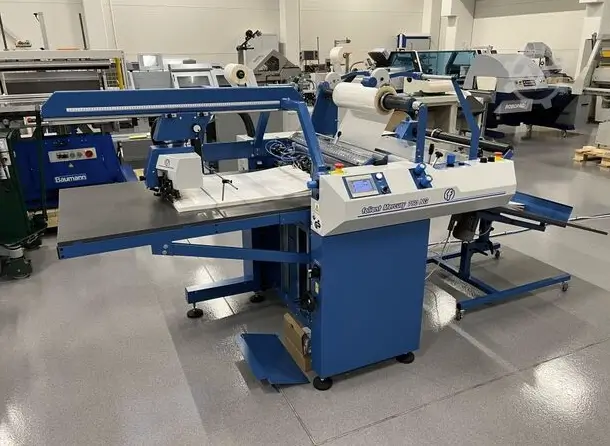
In today’s competitive manufacturing environment, businesses require advanced machinery that improves efficiency, durability, and product quality. Among the most important technologies used in printing, packaging, furniture production, textile processing, and industrial finishing is the laminating machine. A reliable industrial laminating machine manufacturer plays a major role in helping industries achieve smooth production processes and high-quality results.
Industrial laminating machines are designed to apply protective or decorative layers onto materials such as paper, plastic, metal, wood, fabric, and flexible packaging films. These machines are widely used across multiple industries because laminated products offer better durability, enhanced appearance, moisture resistance, and longer lifespan.
As global demand for premium packaging and finished products increases, industrial laminating machine manufacturers continue to develop innovative solutions that meet the evolving needs of modern industries.
Understanding Industrial Laminating Machines
Laminating is a manufacturing process where multiple layers of materials are bonded together using heat, pressure, adhesives, or specialized coating technologies. Industrial laminating machines automate this process, ensuring consistent results and high-speed production.
Unlike small office laminators, industrial laminating systems are built for large-scale operations. They can handle heavy workloads, continuous production cycles, and a wide variety of materials.
These machines are commonly used for:
- Flexible packaging production
- Furniture panel lamination
- Textile finishing
- Advertising materials
- Protective film application
- Automotive interior components
- Printing and publishing industries
The efficiency of a laminating process depends heavily on the quality and precision of the machinery used.
Importance of Choosing the Right Industrial Laminating Machine Manufacturer
Selecting the right industrial laminating machine manufacturer is essential for long-term operational success. High-quality machinery improves production speed, minimizes waste, and ensures consistent product quality.
A professional manufacturer not only supplies machinery but also provides technical support, customization options, maintenance services, and production guidance. Industries often require specialized lamination systems depending on the materials and production goals involved.
Reliable manufacturers focus on:
- Machine durability
- Energy efficiency
- Automation technology
- User-friendly controls
- Safety systems
- Precision engineering
- Long-term technical support
Working with an experienced manufacturer helps businesses reduce downtime and improve overall productivity.
Types of Industrial Laminating Machines
Industrial laminating machine manufacturers offer various machine types designed for different applications. Understanding these options helps businesses choose the right system for their production needs.
Thermal Laminating Machines
Thermal laminators use heat to bond layers together. These machines are commonly used in printing, packaging, and graphic production industries. They provide smooth finishes and strong adhesion.
See also: How Technology Is Transforming Manufacturing
Cold Laminating Machines
Cold laminators apply pressure-sensitive adhesives without heat. They are suitable for heat-sensitive materials such as vinyl graphics and certain specialty films.
Dry Laminating Machines
Dry laminating systems use adhesives combined with heat drying technology. These machines are often used in flexible packaging industries for food and consumer goods packaging.
Wet Laminating Machines
Wet laminators apply liquid adhesives directly onto materials before bonding them together. They are commonly used for paper and cardboard applications.
Extrusion Laminating Machines
Extrusion laminating technology uses molten resin to bond materials together. These machines are widely used in high-volume packaging production.
Each type of laminating machine serves different industrial purposes, making manufacturer expertise extremely important.
Features of Modern Industrial Laminating Machines
Modern industrial laminating machine manufacturers focus on integrating advanced technology into their systems. Automation and smart production controls have become essential in today’s industrial sector.
Some important features include:
- Touchscreen control panels
- Automatic tension control
- High-speed production capability
- Precision temperature management
- Energy-saving systems
- Multi-layer lamination support
- Easy maintenance design
- Real-time monitoring systems
These features improve production accuracy while reducing labor requirements and material waste.
Applications Across Multiple Industries
Industrial laminating machines are used in many sectors because laminated materials offer both protective and decorative benefits.
Packaging Industry
Flexible packaging manufacturers use laminating machines to produce durable packaging materials for food, pharmaceuticals, cosmetics, and consumer products. Laminated packaging improves barrier protection against moisture, oxygen, and contaminants.
Furniture Manufacturing
Furniture producers use laminating systems to apply decorative surfaces and protective coatings to wooden panels and boards. Laminated furniture surfaces improve durability and visual appeal.
Textile Industry
Textile manufacturers use laminating technology to create waterproof fabrics, protective clothing materials, and specialty industrial textiles.
Printing Industry
Commercial printing companies use laminators for posters, book covers, menus, business cards, and promotional materials. Lamination enhances appearance while protecting printed surfaces.
Automotive Sector
The automotive industry uses laminated materials for interior components, insulation systems, and decorative surfaces.
The wide range of applications highlights the importance of high-quality industrial laminating solutions.
Advantages of Advanced Laminating Technology
Businesses investing in modern laminating systems gain several operational advantages. High-performance machines improve production efficiency while maintaining consistent product quality.
Improved Product Durability
Laminated materials resist moisture, scratches, UV exposure, and general wear. This increases product lifespan and customer satisfaction.
Enhanced Visual Appeal
Glossy, matte, textured, or decorative finishes improve product appearance and market value.
Higher Production Speed
Industrial laminating machines support continuous production processes, reducing delays and increasing output.
Reduced Material Waste
Precision control systems help minimize adhesive waste and material defects.
Better Cost Efficiency
Although advanced machinery requires initial investment, long-term operational savings often outweigh the costs.
Customization and Automation Trends
Modern industrial laminating machine manufacturers increasingly provide customized solutions tailored to specific industries and production requirements.
Automation has become one of the most important trends in industrial manufacturing. Smart laminating systems now include programmable settings, digital monitoring, and automated error detection.
Customized machines may include:
- Special roller systems
- Multi-layer configurations
- High-speed production setups
- Specialized adhesive application systems
- Integrated cutting and rewinding units
These solutions help manufacturers improve productivity while adapting to changing market demands.
Sustainability in Industrial Lamination
Environmental responsibility is becoming more important across all industries. Industrial laminating machine manufacturers are now developing energy-efficient systems that reduce environmental impact.
Eco-friendly innovations include:
- Reduced energy consumption
- Solvent-free adhesive systems
- Recyclable material compatibility
- Waste reduction technology
- Low-emission production systems
Sustainable manufacturing practices not only help the environment but also improve brand reputation and compliance with global regulations.
Future of the Industrial Laminating Machine Industry
The future of industrial laminating technology is expected to focus heavily on automation, smart manufacturing, and sustainability. Artificial intelligence, IoT monitoring systems, and advanced robotics may become standard features in next-generation laminating machines.
Manufacturers will continue improving machine speed, precision, and energy efficiency while developing systems compatible with modern industrial materials.
As industries demand higher-quality products and faster production cycles, industrial laminating machine manufacturers will remain essential partners in global manufacturing growth.
Conclusion
An experienced industrial laminating machine manufacturer provides much more than machinery. They offer advanced solutions that improve production quality, operational efficiency, and long-term business performance.
From packaging and printing to furniture and textiles, laminating technology plays a vital role in modern manufacturing industries. Businesses that invest in reliable, high-quality laminating systems gain significant advantages in productivity, product durability, and customer satisfaction.
As industrial technology continues to evolve, manufacturers that focus on innovation, automation, and sustainability will lead the future of the laminating machine industry.