Introduction
Good posture and strong core muscles play an important role in overall health and physical wellbeing. Whether you spend long hours sitting at a desk, participate in regular physical activity, or simply want to move more comfortably throughout the day, strengthening the muscles that support your spine can make a noticeable difference. Pilates has become one of the most effective exercise methods for improving posture because it focuses on controlled movement, proper alignment, and balanced muscle development.
One piece of equipment that supports these goals is the Frame Reformer. It allows users to perform a wide range of exercises using adjustable resistance while encouraging smooth, controlled movements. Rather than relying on heavy lifting or high impact workouts, Pilates emphasises precision and body awareness, making it suitable for people with different fitness levels.
This guide explores how reformer exercises help develop a stronger core, improve posture, and support better movement in everyday life. Whether you are new to Pilates or looking to expand your exercise routine, understanding the benefits of these movements can help you build a stronger and healthier body.
Why Core Strength Matters
The core is much more than the abdominal muscles.
It includes the muscles of the abdomen, lower back, hips, pelvis, and surrounding stabilising muscles that work together to support movement throughout the body. These muscles help maintain balance, protect the spine, and improve overall stability during everyday activities.
A strong core contributes to better posture, reduces unnecessary strain on the lower back, and improves coordination during movement. It also helps support activities such as lifting, bending, walking, climbing stairs, and maintaining proper sitting posture.
Building core strength through controlled Pilates exercises creates a solid foundation for long term physical health.
Understanding the Importance of Good Posture
Posture affects far more than appearance.
Maintaining proper alignment allows muscles and joints to function efficiently while reducing unnecessary pressure on the spine. Poor posture often develops gradually due to prolonged sitting, repetitive movements, or weak supporting muscles.
Over time, poor posture may contribute to muscle tightness, reduced mobility, and discomfort during everyday activities.
Pilates encourages awareness of body positioning while strengthening the muscles responsible for maintaining correct alignment. As posture improves, many people notice greater comfort throughout daily life.
What Is a Frame Reformer?
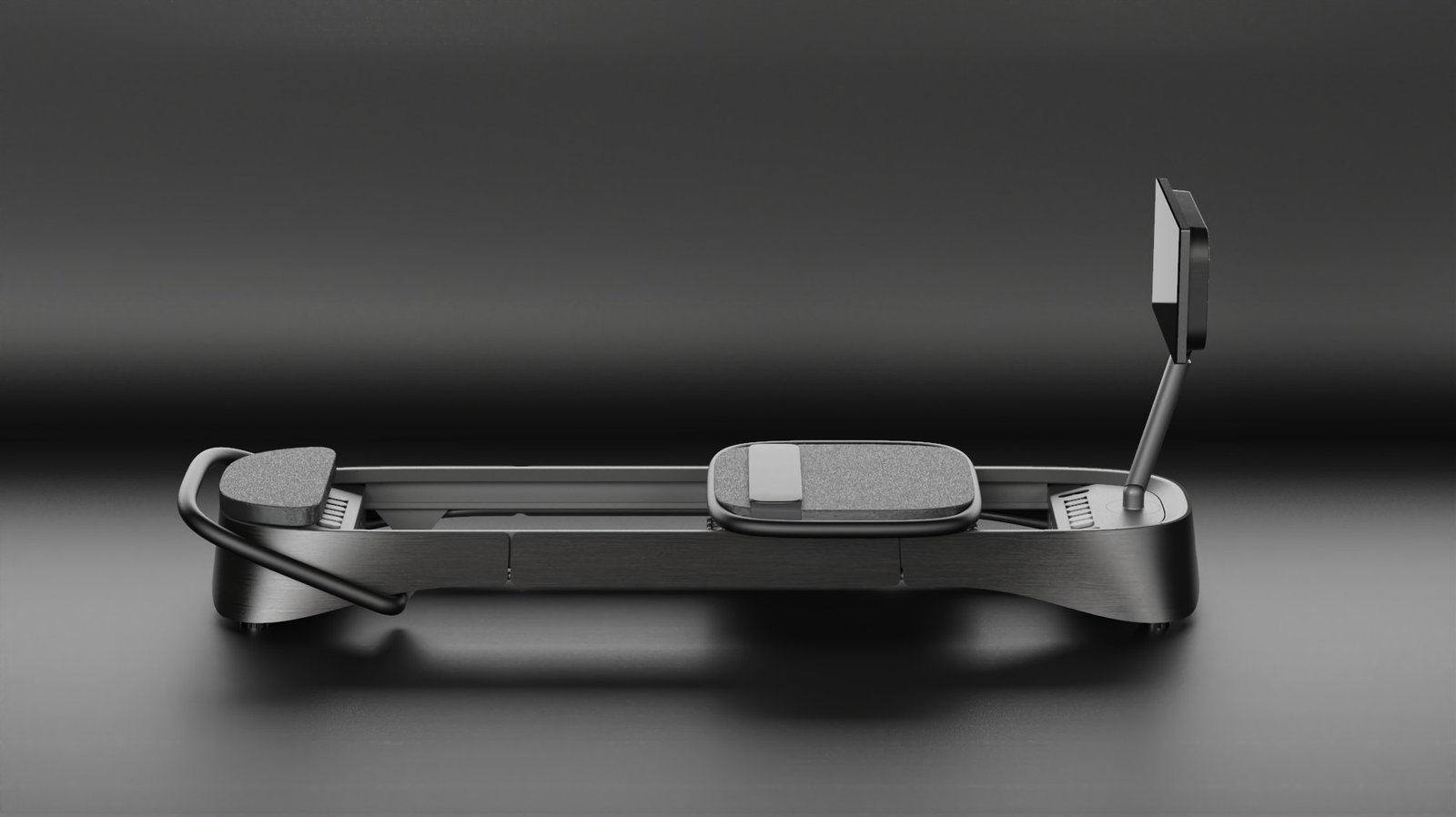
A Frame Reformer is a specialised Pilates machine designed to support smooth, controlled movement through adjustable resistance.
The equipment typically includes a stable frame, a sliding carriage, shoulder supports, adjustable springs, straps, and a foot bar. Together, these components allow users to perform numerous exercises that target the entire body.
The adjustable resistance makes the equipment suitable for beginners while also providing sufficient challenge for more experienced individuals.
Its versatility allows a wide variety of exercises that improve strength, flexibility, balance, and coordination within a single workout.
Benefits of Reformer Based Exercises
Pilates reformer workouts provide several important advantages.
The controlled resistance allows muscles to work throughout both the lifting and returning phases of each movement. This balanced approach helps improve muscle control while reducing unnecessary stress on the joints.
Regular reformer workouts can improve flexibility, increase muscle tone, strengthen the core, enhance posture, and support better balance.
Many people also appreciate the focus on mindful movement, which encourages concentration and body awareness throughout every exercise.
Preparing Before Your Workout
Before beginning any exercise session, spend a few minutes preparing your body.
Wear comfortable clothing that allows unrestricted movement. Choose a quiet workout space with enough room to move safely around the equipment.
Begin with gentle stretching and controlled breathing to prepare your muscles and improve focus.
Starting each session with proper preparation helps improve movement quality and reduces the likelihood of unnecessary strain.
Exercise One: Foot Press
The foot press is one of the most common beginner exercises.
Position yourself comfortably on the carriage with your feet resting on the foot bar. Press gently through your feet while maintaining a stable core and neutral spine.
This movement strengthens the legs while encouraging proper pelvic alignment and core engagement.
Focus on slow, controlled movement rather than speed.
Exercise Two: Arm Press
The arm press helps strengthen the upper body while engaging the muscles that stabilise the shoulders and core.
Using the straps, perform smooth pressing movements while maintaining proper posture throughout the exercise.
Avoid allowing your shoulders to rise toward your ears. Instead, keep the neck relaxed and maintain gentle engagement through the abdominal muscles.
This exercise promotes better upper body control and improved posture.
Exercise Three: Leg Circles
Leg circles improve hip mobility while strengthening the muscles that support pelvic stability.
With one or both feet secured in the straps, perform slow circular movements while keeping the rest of the body stable.
The focus should remain on maintaining controlled movement rather than creating large circles.
This exercise develops coordination, flexibility, and deep core activation.
Exercise Four: Bridge Position
The bridge is an excellent exercise for strengthening the hips, lower back, and core.
Begin lying comfortably with your feet placed securely on the foot bar.
Slowly lift the hips while maintaining smooth control throughout the movement.
Pause briefly before lowering with equal control.
This exercise helps improve spinal mobility while strengthening the muscles responsible for maintaining good posture.
Exercise Five: Plank Variations
Plank exercises performed on the reformer challenge the entire core.
Maintaining a stable body position requires coordination between the abdominal muscles, shoulders, hips, and legs.
Focus on keeping the spine aligned while avoiding excessive movement.
Even short plank holds can significantly improve core endurance when performed consistently.
Exercise Six: Side Leg Work
Side leg exercises strengthen the hips, glutes, and outer thighs while improving overall balance.
Strong hip muscles contribute to better posture by supporting proper pelvic alignment during walking and standing.
Move slowly throughout each repetition while maintaining a stable upper body.
Controlled movement produces better muscle engagement than rapid repetitions.
Exercise Seven: Seated Row
The seated row strengthens the upper back and improves posture by encouraging proper shoulder positioning.
Using the straps, pull smoothly while keeping the chest open and shoulders relaxed.
Avoid leaning backward or using momentum.
Instead, focus on controlled movement supported by the core muscles.
This exercise helps counteract the rounded shoulder posture often associated with prolonged sitting.
Exercise Eight: Standing Balance Exercises
Standing exercises performed on the reformer improve coordination and stability.
These movements encourage multiple muscle groups to work together while maintaining balance.
Developing better balance supports everyday activities while reducing unnecessary movement compensation throughout the body.
Balance training also improves body awareness and overall movement quality.
Focus on Breathing Throughout Every Exercise
Breathing is a central principle of Pilates.
Proper breathing supports controlled movement while encouraging greater muscle engagement.
Coordinate each breath with your movements to improve rhythm and concentration.
Rather than holding your breath, maintain slow and consistent breathing throughout each exercise.
Good breathing habits contribute to better workout performance and greater relaxation.
Common Mistakes to Avoid
Many beginners move too quickly through each exercise.
Pilates is designed around precision rather than speed.
Another common mistake is relying on momentum instead of muscle control.
Poor posture during exercises can also reduce effectiveness while increasing unnecessary strain.
Concentrating on alignment, breathing, and smooth movement helps maximise the benefits of every workout.
Building a Consistent Routine
Consistency is one of the most important elements of successful Pilates practice.
Rather than exercising occasionally, establish a schedule that fits comfortably into your weekly routine.
Regular practice allows gradual improvements in strength, flexibility, posture, and coordination.
Short, consistent workouts often produce better long term results than infrequent intensive sessions.
Supporting Better Everyday Movement
The benefits of Pilates extend well beyond structured exercise.
A stronger core supports better posture while walking, sitting, standing, and lifting.
Improved flexibility contributes to greater comfort during everyday movement.
Enhanced balance and coordination can also increase confidence during physical activities.
Many people notice positive changes in daily movement long before visible physical changes occur.
Long Term Benefits of Reformer Training
As your Pilates routine becomes consistent, improvements continue to build over time.
Core strength gradually increases, posture becomes more natural, and movement patterns become more efficient.
The combination of flexibility, strength, balance, and body awareness supports overall physical wellbeing throughout different stages of life.
Regular reformer workouts also encourage mindful movement, helping create healthy exercise habits that can be maintained for many years.
Conclusion
Performing regular exercises on a Frame Reformer is an effective way to strengthen the core while improving posture, flexibility, and overall movement quality. By focusing on controlled movements, proper alignment, and consistent practice, individuals of all fitness levels can experience meaningful improvements in both physical performance and everyday comfort.
Remember that progress comes through patience and precision rather than speed. Every workout provides an opportunity to strengthen supporting muscles, improve body awareness, and develop healthier movement habits. With dedication and regular practice, a Frame Reformer can become an essential part of a balanced fitness routine, helping you enjoy long term benefits that extend far beyond the workout itself. Order Now and experience the benefits of a premium Frame Reformer designed to enhance your strength, flexibility, posture, and overall wellbeing with every session.