Moving to a new home or office is an exciting opportunity, but it also involves careful planning and preparation. Among the many challenges of relocating, transporting furniture safely is often one of the biggest concerns. Large items such as sofas, dining tables, wardrobes, beds, and office desks require proper handling to prevent scratches, dents, or other damage during the move.
Whether you are relocating within Perth or moving to another area, understanding the best practices for furniture protection can make the process much easier. Hiring professionals who specialize in furniture removals Perth services can also help ensure your belongings are transported safely while reducing the physical effort involved.
This guide shares practical tips for preparing furniture, packing household items, organizing moving day, and settling into your new space with confidence.
Why Furniture Requires Special Attention During a Move
Furniture represents a significant investment in both comfort and style. Unlike smaller household items, large furniture pieces are often heavy, awkward to lift, and vulnerable to damage during transportation.
Wooden surfaces can become scratched, upholstered furniture may collect dirt or stains, and glass components require additional care. Proper preparation helps preserve the condition of your furniture while reducing the risk of accidents during the move.
Planning ahead allows every item to be packed, lifted, and transported more efficiently.
Start Preparing Early
The key to a successful move is preparation.
Creating a moving timeline several weeks before your relocation helps you stay organized and complete important tasks without unnecessary stress.
Your checklist may include:
- Confirming your moving date
- Decluttering your home
- Purchasing packing materials
- Measuring large furniture
- Organizing important documents
- Arranging utility transfers
- Preparing an essentials box
- Scheduling moving assistance
Completing these tasks gradually makes moving day much more manageable.
Declutter Before Packing
Relocating provides an excellent opportunity to simplify your home.
Many households accumulate furniture, decorations, clothing, and household items that are no longer needed.
Before packing, separate your belongings into categories such as:
- Keep
- Donate
- Sell
- Recycle
- Dispose responsibly
Reducing the number of items you move saves time and makes unpacking much easier in your new home.
Measure Furniture and Doorways
One common mistake people make is assuming all furniture will fit easily through doors, hallways, and staircases.
Before moving day:
- Measure large furniture pieces.
- Measure doorways and hallways.
- Check staircases and elevators if applicable.
- Plan the safest route for moving oversized items.
Taking measurements in advance helps avoid unexpected delays and prevents accidental damage.
Gather Quality Packing Supplies
Using proper packing materials helps protect furniture throughout transportation.
Essential supplies include:
- Furniture blankets
- Bubble wrap
- Stretch wrap
- Packing paper
- Strong moving boxes
- Packing tape
- Corner protectors
- Labels
- Permanent markers
High quality materials provide better protection than using old or damaged packing supplies.
Clean Furniture Before Packing
Cleaning furniture before the move offers several benefits.
Dust, dirt, and debris can scratch surfaces during transportation if left untreated.
Before wrapping furniture:
- Wipe wooden surfaces.
- Vacuum upholstered furniture.
- Clean glass panels.
- Dust shelving units.
- Remove loose debris.
Clean furniture also makes unpacking easier when you arrive at your new home.
Disassemble Large Furniture
Many furniture pieces can be partially disassembled to simplify transportation.
Examples include:
- Bed frames
- Dining tables
- Bookshelves
- Office desks
- Entertainment units
Removing legs, shelves, or detachable components reduces the risk of damage while making heavy items easier to carry.
Store screws, bolts, and other hardware inside clearly labeled bags so reassembly is simple.
Protect Wooden Furniture
Wood furniture is particularly vulnerable to scratches during a move.
Protect surfaces by:
- Wrapping furniture with moving blankets.
- Covering corners with protective padding.
- Avoiding direct contact between wooden surfaces.
- Securing protective coverings with stretch wrap.
Avoid placing adhesive tape directly on finished wood because it may damage the surface.
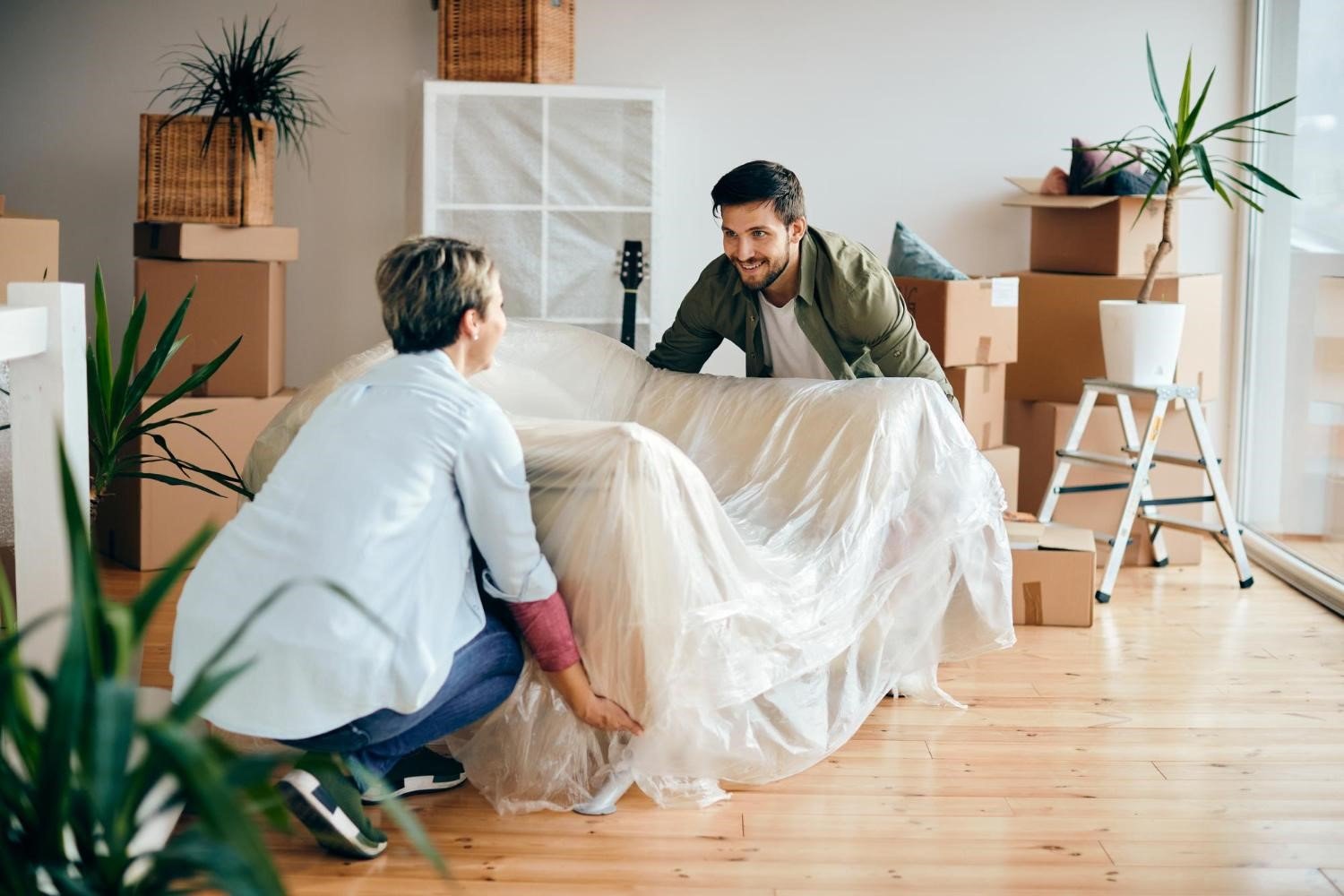
Protect Upholstered Furniture
Sofas, chairs, and mattresses should remain clean throughout transportation.
Helpful protection methods include:
- Using furniture covers
- Wrapping with protective plastic
- Keeping furniture dry during rainy weather
- Avoiding sharp objects nearby
Proper covering helps prevent dust, moisture, and stains.
Safely Move Glass Furniture
Glass furniture requires extra care because it is highly fragile.
Whenever possible:
- Remove glass panels.
- Wrap each panel individually.
- Use protective padding.
- Clearly label fragile items.
- Transport glass in an upright position when appropriate.
Never stack heavy objects on top of glass furniture.
Organize Boxes Properly
Packing boxes correctly helps prevent damage to furniture and household belongings.
Some useful tips include:
- Place heavier items in smaller boxes.
- Keep lighter items in larger boxes.
- Fill empty spaces with cushioning material.
- Seal every box securely.
- Label contents clearly.
Organized packing makes loading and unloading much more efficient.
Prepare Household Appliances
Large appliances also require preparation before moving.
For refrigerators:
- Remove food.
- Defrost completely.
- Clean the interior.
- Secure doors.
For washing machines:
- Disconnect water hoses.
- Drain excess water.
- Secure moving components.
Preparing appliances correctly helps avoid leaks and damage during transportation.
Pack an Essentials Box
Your essentials box should remain easily accessible throughout the move.
Include items such as:
- Phone chargers
- Medications
- Toiletries
- Snacks
- Drinking water
- Fresh clothes
- Important documents
- Basic kitchen supplies
- Cleaning products
Having these items available immediately reduces stress after arriving.
Keep Important Documents With You
Certain documents should never be packed inside moving boxes.
Keep these items in a separate folder:
- Identification
- Property documents
- Insurance papers
- Medical records
- Financial information
Having quick access to these documents provides peace of mind throughout the move.
Moving With Children
Relocating can be a significant adjustment for children.
Helping them participate often makes the transition easier.
Encourage them to:
- Pack favorite toys.
- Help organize their new room.
- Explore the new neighborhood.
- Decorate moving boxes.
Maintaining familiar routines during the move also helps reduce anxiety.
Helping Pets During Relocation
Pets often become stressed when moving.
Support them by:
- Maintaining regular feeding schedules.
- Bringing familiar bedding.
- Keeping favorite toys nearby.
- Providing fresh water during travel.
- Allowing time to explore the new environment gradually.
These simple steps help pets settle comfortably.
Office Furniture Relocations
Businesses often relocate furniture along with valuable equipment.
Planning should include:
- Labeling office furniture.
- Backing up digital information.
- Organizing employee workstations.
- Scheduling technology installation.
- Preparing equipment for transportation.
Proper planning minimizes business interruptions.
Common Mistakes to Avoid
Many moving problems result from simple mistakes.
Avoid these common issues:
Waiting Until the Last Minute
Early preparation reduces stress and improves organization.
Overloading Boxes
Heavy boxes increase the risk of injury and damage.
Forgetting to Label Items
Clearly labeled boxes make unpacking much faster.
Skipping Furniture Protection
Protective wrapping significantly reduces scratches and dents.
Ignoring Weather Conditions
Rain and extreme heat can affect furniture during loading and transportation.
Prepare suitable protective coverings if needed.
Unpacking Furniture Efficiently
Once you arrive at your new property, avoid unpacking everything at once.
Begin with essential rooms such as:
- Bedrooms
- Living room
- Kitchen
Assemble large furniture first before unpacking smaller household items.
Working room by room helps maintain an organized environment.
Sustainable Moving Practices
Environmentally friendly moving practices continue to grow in popularity.
You can reduce waste by:
- Reusing moving boxes.
- Recycling packing paper.
- Donating unwanted furniture.
- Using reusable storage containers.
- Choosing recyclable packing materials.
These small changes help reduce environmental impact while keeping your move organized.
Why Professional Furniture Removal Services Are Valuable
Moving heavy furniture without experience can be physically demanding and may increase the risk of damage or injury.
Professional teams specializing in furniture removals Perth understand how to handle different furniture types safely. They use appropriate lifting techniques, protective materials, and organized loading methods to help ensure every item reaches its destination in excellent condition.
Their experience also helps save time while reducing many of the challenges associated with relocating large household items.
Settling Into Your New Home
After your furniture has been placed in its new location, take time to organize each room thoughtfully.
Start by arranging larger furniture pieces before unpacking decorative items and smaller belongings. This approach allows you to visualize the available space and create a comfortable layout that suits your lifestyle.
Once your essential rooms are organized, you can gradually personalize your new home with artwork, plants, lighting, and decorative accessories that make the space feel welcoming.
Final Thoughts
Relocating is an important milestone that requires preparation, organization, and careful handling of valuable belongings. Furniture often represents one of the largest investments in any home, making proper protection during transportation essential.
Planning ahead, using quality packing materials, disassembling furniture when appropriate, and following safe lifting practices all contribute to a smoother relocation. Working with professionals experienced in furniture removals Perth can further simplify the process by ensuring your belongings are handled with care from beginning to end. If you are preparing for your next move and want dependable assistance, contact us to discuss your moving requirements and learn how our experienced team can help make your relocation safe, efficient, and stress free.
With thoughtful preparation and the right moving strategy, you can protect your furniture, reduce stress, and enjoy a successful move into your new home or workplace with confidence.