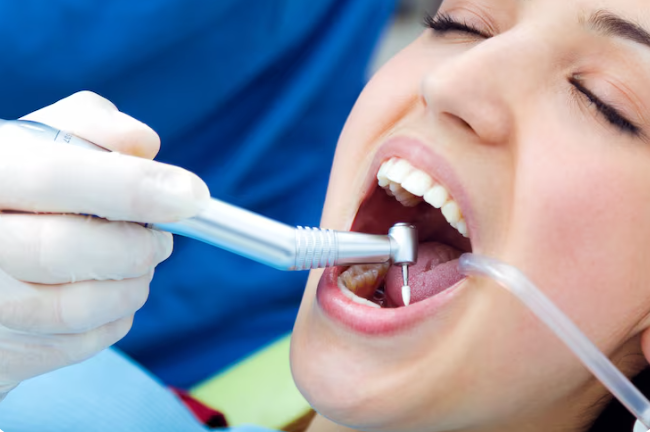
Losing all of your teeth can affect much more than your appearance. It may change the way you eat, speak, and smile while also impacting your overall oral health and confidence. Fortunately, modern dentistry offers several solutions for complete teeth replacement that are designed to restore both function and aesthetics. Understanding these options can help you make an informed decision about your long-term dental health.
Advancements in restorative dentistry have made full smile restoration more comfortable, stable, and natural-looking than ever before. From traditional dentures to implant-supported solutions, today’s treatments are customized to meet each patient’s unique needs and oral health condition. Choosing the right option depends on several factors, including bone health, lifestyle, budget, and personal treatment goals.
This guide compares today’s complete teeth replacement options, explains who may benefit from each treatment, and highlights why dental implants have become one of the most reliable long-term solutions for restoring a full smile.
Understanding Complete Teeth Replacement
Complete teeth replacement refers to restoring an entire upper arch, lower arch, or both when all natural teeth are missing or require removal. The primary goal is to restore chewing ability, speech, facial appearance, and long-term oral health while providing a comfortable and functional smile.
Every patient has different restorative needs. A comprehensive dental evaluation helps determine which replacement option provides the best balance of function, comfort, durability, and aesthetics.
When Is Full Teeth Replacement Needed?
There are several reasons why a patient may require complete teeth replacement. Tooth loss may occur gradually over many years or result from advanced dental conditions that make preserving natural teeth difficult.
Common reasons include:
- Extensive tooth decay
- Advanced gum disease
- Severe tooth damage
- Multiple missing teeth
- Significant bone loss
- Long-term denture dissatisfaction
Your dentist carefully evaluates your oral health before recommending the most appropriate treatment option.
Why Replacing Missing Teeth Matters
Replacing missing teeth is important for more than cosmetic reasons. Tooth loss can affect bite alignment, facial structure, speech, chewing efficiency, and jawbone health over time. Without replacement, bone loss in the jaw may continue, potentially affecting future restorative options.
Complete teeth replacement also supports better nutrition by restoring the ability to chew a wider variety of foods. A properly restored smile contributes to both oral health and overall quality of life.
Complete Teeth Replacement Options Available Today
Modern dentistry offers several reliable solutions for replacing all missing teeth. Each option provides different advantages depending on the patient’s oral health, expectations, and long-term goals.
Your dentist will explain the benefits and limitations of every treatment before developing a personalized restoration plan.
Traditional Complete Dentures
Traditional dentures have been used for many years to replace an entire arch of missing teeth. They rest directly on the gums and are removable for daily cleaning and maintenance.
Some advantages of traditional dentures include:
- Non-surgical treatment
- Restores appearance
- Improves speech
- Supports basic chewing function
- Custom-designed for each patient
Although dentures successfully restore many smiles, some patients experience movement or reduced stability while eating or speaking.
Implant-Supported Dentures
Implant-supported dentures combine removable dentures with the stability provided by dental implants. Instead of relying entirely on the gums, the denture attaches securely to implants placed within the jawbone.
This approach offers greater stability than traditional dentures while improving chewing function and overall comfort. Implant-supported dentures also help reduce movement during everyday activities.
Full Mouth Dental Implants
Full mouth dental implants replace an entire arch of teeth using multiple strategically placed implants that support a fixed restoration. This treatment provides a permanent solution designed to closely resemble the appearance and function of natural teeth.
Many patients appreciate that implant-supported restorations feel more secure than removable dentures. Because the implants integrate with the jawbone, they also provide important long-term support for bone preservation.
Full Arch Restoration With All-on-4 Dental Implants
Full arch restoration using All-on-4 dental implants is a specialized treatment that supports an entire arch of replacement teeth using four strategically positioned implants. This technique allows many patients to restore a complete smile while minimizing the number of implants required.
Benefits of full arch restoration may include:
- Fixed replacement teeth
- Excellent stability
- Improved chewing efficiency
- Natural-looking smile
- Long-term bone support
- Comfortable daily function
A comprehensive examination determines whether this treatment is appropriate based on bone availability and overall oral health.
If you are exploring restorative solutions, visiting a trusted dental clinic Kent WA allows you to receive a personalized evaluation and learn which complete teeth replacement option best fits your needs.
Comparing Complete Teeth Replacement Solutions
Choosing the best treatment involves comparing each option based on comfort, function, durability, maintenance, and long-term oral health. Every patient has different priorities, making individualized treatment planning essential.
Rather than recommending the same solution for every patient, your dentist considers your clinical condition, expectations, and lifestyle before developing a treatment plan.
Stability and Comfort
One of the most noticeable differences between treatment options is stability. Traditional dentures rest on the gums and may shift during eating or speaking. Implant-supported restorations provide greater support because they are anchored directly to dental implants.
Improved stability often increases comfort and allows patients to perform everyday activities with greater confidence. The secure fit also reduces many of the common frustrations associated with removable dentures.
Appearance and Natural Function
Modern restorative dentistry focuses on creating smiles that look and function naturally. Today’s replacement teeth are carefully designed to complement facial appearance while restoring efficient chewing and clear speech.
Natural-looking restorations also improve facial support by replacing missing teeth in a way that maintains proper bite alignment and smile balance.
Long-Term Durability
Durability is an important consideration when selecting a complete teeth replacement solution. Different treatment options require varying levels of maintenance and replacement over time.
Factors influencing durability include:
- Type of restoration
- Quality of materials
- Daily oral hygiene
- Regular dental examinations
- Overall oral health
- Lifestyle habits
Your dentist explains the expected longevity of each option during your consultation, allowing you to make an informed long-term decision.
Oral Health Benefits
Complete teeth replacement does more than restore appearance. Properly replacing missing teeth supports healthier oral function by distributing chewing forces more evenly and helping maintain jaw alignment.
Implant-supported solutions provide additional benefits by stimulating the jawbone, helping reduce bone loss that naturally occurs after tooth loss. This preservation contributes to better facial support and long-term oral health.
What Is the Best Option for Replacing All Teeth?
There is no single treatment that is best for every patient. The ideal solution depends on several factors, including the condition of the jawbone, overall oral health, lifestyle preferences, and long-term expectations. A comprehensive dental examination helps determine which treatment provides the most appropriate balance of function, comfort, and durability.
While traditional dentures remain a suitable option for many individuals, implant-supported restorations have become increasingly popular because they provide improved stability, chewing efficiency, and long-term bone preservation. Your dentist will recommend the treatment that best aligns with your specific needs rather than a one-size-fits-all approach.
Factors That Influence the Right Choice
Several clinical and personal considerations help determine the most appropriate complete teeth replacement solution.
These include:
- Overall oral health
- Jawbone density
- Number of missing teeth
- Medical history
- Lifestyle preferences
- Long-term treatment goals
- Budget considerations
Evaluating these factors allows your dentist to create a personalized treatment plan that supports both immediate and future oral health.
Personalized Treatment Planning
Every successful smile restoration begins with a detailed consultation. During this appointment, your dentist evaluates your teeth, gums, jawbone, bite, and facial structure while discussing your concerns and expectations.
Advanced diagnostic tools and imaging help create a customized treatment plan designed specifically for your needs. Personalized planning improves treatment accuracy and helps patients understand each stage of the restoration process before treatment begins.
Who Is a Good Candidate for Dental Implants?
Dental implants are an excellent option for many patients seeking permanent teeth replacement. However, successful implant treatment depends on several factors, including oral health, bone quality, and overall medical condition.
A professional evaluation helps determine whether implants are appropriate or if additional procedures are recommended before implant placement.
Bone Health and Overall Oral Condition
Healthy jawbone tissue is essential for supporting dental implants. Since implants fuse with the bone during healing, adequate bone volume provides the stability needed for long-term success.
During your evaluation, the dentist examines:
- Bone density
- Gum health
- Existing dental conditions
- Bite alignment
- Medical history
These assessments help determine the most suitable implant treatment plan.
Lifestyle and Long-Term Expectations
Lifestyle habits and long-term oral hygiene also influence implant success. Patients who maintain good oral hygiene and attend routine dental visits are generally excellent candidates for implant-supported restorations.
Understanding the maintenance requirements before treatment helps patients protect their investment and maintain healthy implants for many years.
When Additional Procedures May Be Needed
Some patients may require additional treatment before receiving dental implants. Procedures such as bone grafting, gum therapy, or tooth extractions may improve the long-term success of implant placement.
If damaged teeth cannot be preserved before implant treatment, your dentist may discuss procedures related to emergency tooth extraction cost as part of the overall treatment plan. Addressing existing oral health concerns first helps create a stable foundation for successful smile restoration.
Benefits of Full Mouth Dental Implants
Full mouth dental implants provide several advantages compared to traditional removable dentures. Because the restorations are supported by implants placed within the jawbone, they offer improved function, stability, and long-term oral health benefits.
Many patients choose implant-supported solutions because they closely replicate the appearance and performance of natural teeth while reducing many of the limitations associated with removable appliances.
Improved Chewing and Speaking
Securely anchored replacement teeth improve chewing efficiency and help patients enjoy a wider variety of foods with greater confidence. Stable restorations also contribute to clearer speech because they remain firmly in place during conversation.
Unlike removable dentures that may shift or loosen, implant-supported teeth provide consistent support during everyday activities.
Bone Preservation
One of the most significant advantages of dental implants is their ability to stimulate the jawbone. Natural tooth roots help maintain bone structure, and implants perform a similar function after tooth loss.
Benefits of bone preservation include:
- Reduced bone loss
- Better facial support
- Improved implant stability
- Long-term oral health
- Enhanced restoration longevity
Maintaining healthy jawbone structure supports both appearance and function over time.
Long-Term Comfort and Confidence
Patients often report greater comfort with implant-supported restorations because the replacement teeth remain stable throughout daily activities. This stability reduces irritation commonly associated with removable dentures and allows patients to smile, eat, and speak more comfortably.
Although every patient’s experience is unique, implant-supported restorations are widely recognized as one of the most durable and functional options for complete teeth replacement.
Why Patients in Kent, WA Choose Implant West for Complete Teeth Replacement
Selecting an experienced dental team is an important part of achieving successful full smile restoration. Implant West provides personalized treatment planning that focuses on restoring oral function, appearance, and long-term dental health through advanced implant dentistry.
Every treatment plan begins with a comprehensive evaluation that considers each patient’s oral condition, goals, and overall health. This individualized approach helps ensure recommendations are tailored to the patient’s needs rather than following a standard treatment model.
Advanced Implant Technology
Modern dental technology improves every stage of implant treatment, from diagnosis and planning to precise implant placement. Digital imaging allows the dental team to evaluate bone structure and create accurate treatment plans that support predictable outcomes.
Advanced techniques also improve patient comfort while enhancing the precision of full arch restorations and implant-supported solutions.
Personalized Full Smile Restoration Plans
No two patients require exactly the same restorative approach. Personalized treatment planning allows the dental team to recommend the most appropriate solution based on oral health, bone quality, functional needs, and aesthetic goals.
This comprehensive process helps patients understand every available option before beginning treatment, ensuring they can make informed decisions about their smile restoration.
Conclusion
Complete teeth replacement has advanced significantly, providing patients with multiple solutions for restoring a healthy, functional, and natural-looking smile. Traditional dentures, implant-supported dentures, full mouth dental implants, and full arch restorations each offer unique benefits depending on your oral health and treatment goals. Choosing the right solution requires a comprehensive evaluation and a personalized treatment plan that considers comfort, durability, function, and long-term oral health.
If you are considering full smile restoration, a professional consultation is the best way to explore your options and determine which treatment is right for you. To learn more about complete teeth replacement or schedule your personalized evaluation, contact Implant Oral Surgery & Aesthetics and take the next step toward restoring your smile with confidence.
Frequently Asked Questions
1. What is the best option for replacing all teeth?
The best solution depends on your oral health, bone density, lifestyle, and treatment goals. Your dentist will recommend the most suitable option after a comprehensive examination.
2. How long do full mouth dental implants last?
With proper oral hygiene, regular dental visits, and good overall oral health, full mouth dental implants are designed to provide long-lasting support for replacement teeth.
3. Are implant-supported dentures better than traditional dentures?
Implant-supported dentures generally provide greater stability, improved chewing ability, and better support for jawbone health compared to traditional removable dentures. The right option depends on your individual needs.
4. Who qualifies for complete teeth replacement with dental implants?
Many adults with healthy gums and adequate jawbone are good candidates. A detailed dental evaluation determines whether additional procedures are needed before implant placement.
5. How long does full smile restoration take?
The treatment timeline varies depending on your oral health, healing process, and whether preparatory procedures such as extractions or bone grafting are required. Your dentist will provide a personalized timeline during your consultation.