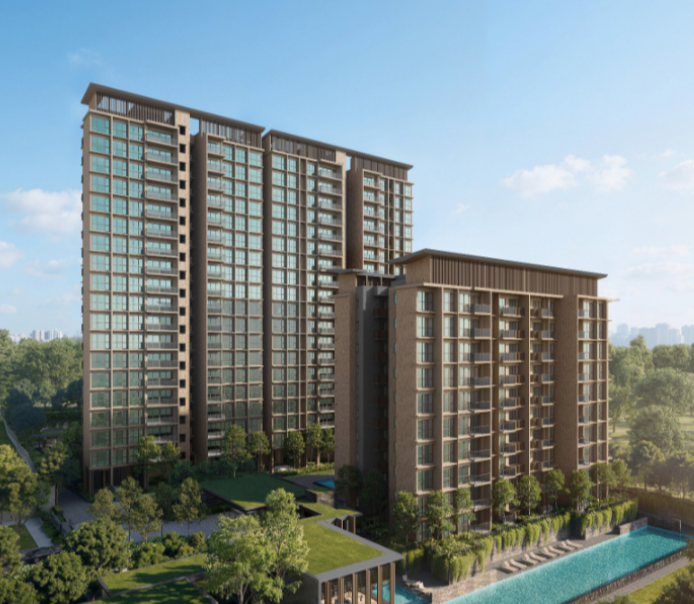
Singapore’s real estate market remains a resilient haven for global wealth, offering steady capital appreciation and robust rental yields. Investors looking for long-term security often focus on upcoming suburban transformations like Lentor Gardens, which represents a major shift toward master-planned, transit-oriented communities. While prime districts continue to command premium prices, suburban and fringe regions show immense growth potential. Understanding this dynamic market requires a clear understanding of regional master plans, tax structures, and emerging residential projects. This guide breaks down the essential factors driving the Singapore property market, helping you identify high-performing assets, evaluate specific district benefits, and make informed financial decisions in one of the world’s most stable financial hubs.
Emerging Residential Hotspots in the North and North-East
The northern and north-eastern regions of Singapore are undergoing rapid modernization, fueled by government-led decentralization strategies. A prime example of this growth is the Lentor Gardens precinct, where integrated transport links and green spaces merge to create a self-sustaining residential enclave. Buyers seeking tranquility without sacrificing urban connectivity find this area highly attractive. Nearby, developments like Lucerne Grand offer modern architectural designs and smart-home features that appeal directly to young professional families. Additionally, the expansion of the Thomson-East Coast Line has dramatically improved accessibility, driving up demand for properties near these new transit nodes. Thomson Reserve stands out as another key project capitalizing on this enhanced connectivity, positioning itself as a premium choice for buyers who value proximity to nature reserves and top-tier schools. These suburban hubs are no longer secondary choices; they are leading the market in terms of transaction volume and price resilience. Investors who enter these markets early stand to benefit from the surrounding commercial developments, which naturally push residential valuations upward over a five-to-ten-year horizon. As municipal planners add more retail hubs and cycling networks to these neighborhoods, the long-term rental demand from middle-management expatriates and local upgraders remains exceptionally strong.
Premium Central and District 11 Opportunities
For investors prioritizing heritage, prestige, and central proximity, District 11 and its surrounding prime areas remain the gold standard. Properties like Dunearn House attract high-net-worth individuals who appreciate low-density living, reputable academic institutions, and immediate access to the downtown core. Buying into these premium districts requires a distinct strategy compared to suburban purchases. Consulting a comprehensive Dunearn House buying guide helps prospective buyers understand the historical price trends, land tenure advantages, and localized zoning regulations that govern these exclusive neighborhoods. Right next to these legacy estates, modern luxury developments like Pinery Residences are setting new benchmarks for sustainable high-end living. These projects combine private lift access, lush sky gardens, and state-of-the-art wellness facilities to attract discerning tenants. While the entry price in District 11 is higher, the historical data show that these properties hold their value exceptionally well during economic downturns. Referencing a specialized Dunearn House buying guide also assists in evaluating the redevelopment potential of older freehold plots in the area. When you acquire a home in these prime enclaves, you are not just purchasing real estate; you are securing a scarce asset in a land-scarce nation, ensuring your wealth transitions smoothly across generations.
Balancing Yield and Capital Appreciation
Achieving the right balance between monthly rental yields and long-term capital gains is the cornerstone of successful real estate investing. In the suburban sectors, projects like Lucerne Grand deliver highly competitive rental yields because of their lower initial purchase price and high appeal to suburban tenants. These properties cater to a massive demographic of local renters and expatriates working in regional business parks. Conversely, premium developments such as Pinery Residences focus heavily on capital preservation and long-term appreciation, drawing buyers who prioritize wealth protection over immediate cash flow. For those interested in unique lifestyle concepts, waterfront options like Vela Bay present a compelling middle ground. These coastal properties command a premium rental rate due to their scenic views and resort-style amenities, attracting high-earning tenants who want a distinct living experience. To maximize your investment portfolio, you must analyze the tenant demographic of each micro-market. Suburban business hubs attract tech and engineering professionals, while central districts draw finance and legal executives. Aligning your property purchase with these employment hubs ensures minimal vacancy rates and steady rental growth, regardless of broader market fluctuations.
Crucial Steps for Foreign and Local Buyers
The acquisition process in Singapore involves navigating strict regulatory frameworks designed to maintain market stability. Whether you are eyeing a suburban unit in Lentor Gardens or a luxury residence in the central core, understanding the Additional Buyer’s Stamp Duty (ABSD) is vital. Foreign buyers face different tax structures compared to permanent residents and citizens, making financial planning the most critical first step. Utilizing a detailed Dunearn House buying guide can clarify these tax liabilities and outline the step-by-step legal procedures required for a smooth transaction. Furthermore, securing a mortgage in Singapore requires adherence to the Total Debt Servicing Ratio (TDSR) limits, which cap your monthly loan repayments against your gross income. If you plan to purchase a premium unit at Dunearn House, obtaining an In-Principle Approval (IPA) from a reputable bank before placing a non-refundable option fee is highly recommended. This precaution prevents financial forfeitures and ensures your funding is secure. Working with experienced real estate conveyancing lawyers who specialize in high-value transactions guarantees that all deed searches, structural checks, and financial transfers comply fully with local laws, protecting your capital from unexpected legal complications.
Coastal and Nature-Adjacent Living Trends
Modern property buyers increasingly prioritize wellness, leading to a surge in demand for homes near natural reserves and coastal lines. Projects like Vela Bay capitalize on this trend by offering direct access to sandy beaches, maritime boardwalks, and outdoor recreational facilities. This lifestyle-centric approach appeals to a growing demographic of health-conscious buyers who want to escape the concrete jungle without leaving the city. On the other end of the geographic spectrum, developments near lush green belts, such as Thomson Reserve, offer a peaceful sanctuary surrounded by reservoirs and nature parks. These properties retain high value because of their limited supply; Singapore has a finite amount of land adjacent to protected natural parks. Investing in these green enclaves provides a unique competitive edge in the rental market, as tenants are willing to pay a premium for fresh air, scenic views, and quiet surroundings. As wellness-focused architecture becomes the standard for luxury living, properties that integrate natural landscapes into their design will continue to outperform traditional urban concrete blocks, offering investors both excellent rental returns and sustained capital growth.
Conclusion
Investing in Singapore’s real estate market requires a strategic approach that aligns with your financial goals and risk tolerance. From the high-growth potential of suburban developments like Lentor Gardens to the prestigious, heritage-rich enclaves of the central districts, the city-state offers diverse opportunities for every investor. By understanding regional master plans, analyzing rental yields, and keeping up with regulatory requirements, you can build a resilient property portfolio. Whether you choose a coastal sanctuary or a transit-oriented development, thorough research remains your best asset. Utilizing expert resources and detailed guides will ensure you make informed, profitable decisions, securing your place in one of the most stable and lucrative property markets in the world.