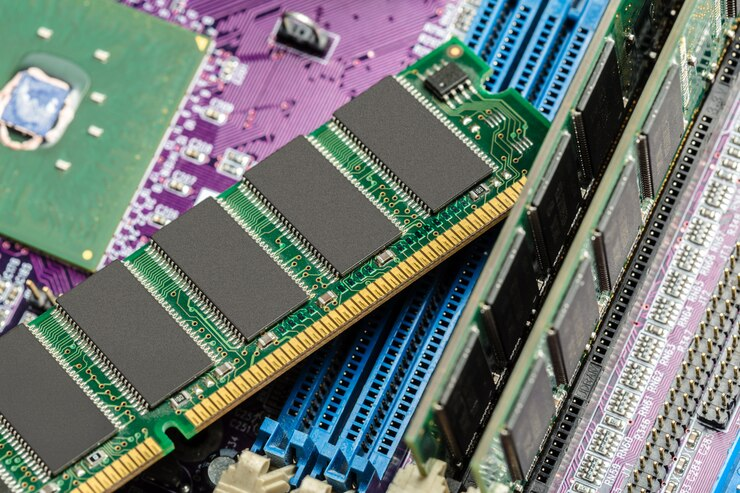
Modern servers handle databases, virtual machines, cloud applications, analytics, and many other workloads at the same time. As these workloads grow, system memory needs to keep up with the processor and applications. DDR5 memory modules provide higher memory bandwidth, greater capacity options, and improved power efficiency compared with older memory generations. These features can help compatible servers handle data-heavy tasks more effectively. Ram Exchange offers memory options for different server needs, making it easier to find RAM that matches a system’s specifications and workload.
Faster Memory for Demanding Server Workloads
A server may process thousands of requests while running several applications at once. Each task uses system memory, and slow or limited RAM can affect how quickly data is accessed. DDR5 memory modules provide higher data transfer rates than DDR4. This allows more data to move between the processor and memory during a given period. The difference can be useful for applications that frequently read and write large amounts of data. The actual performance gain depends on the processor, application, motherboard, and memory configuration. Still, faster memory gives compatible server platforms more bandwidth to work with.
See also: Building a Profitable Apparel Brand Using DTF Transfers
Higher Bandwidth for Data-Heavy Applications
Memory bandwidth describes how much data RAM can transfer over a period of time. Higher bandwidth can be useful for workloads that constantly move large amounts of information. DDR5 offers greater bandwidth than earlier DDR generations.
This makes it suitable for workloads such as:
- Database processing
- Data analytics
- Virtualisation
- Cloud applications
- Scientific computing
- Large-scale data processing
- Content delivery
For example, a virtualisation server may run several virtual machines at once. Each machine uses memory, so additional bandwidth can help the server manage multiple memory requests more effectively.
More Memory Capacity for Growing Workloads
Speed is only one part of server memory performance. Capacity also matters. Modern databases, virtual machines, containers, and business applications can use large amounts of RAM. When available memory becomes limited, a server may need to rely more heavily on storage for temporary data. Storage is slower than RAM, which can affect application responsiveness. DDR5 platforms support higher memory capacities, depending on the server and processor. This allows businesses to build systems that can handle larger workloads. Higher capacity can also provide more room for future growth. Instead of upgrading memory every time an application grows, administrators can plan a configuration that meets both current and expected requirements.
Lower Voltage Can Support Better Efficiency
Servers often operate continuously, so power consumption is a major consideration for data centres and businesses. DDR5 uses a lower standard operating voltage than DDR4. It also moves some power management functions onto the memory module itself. These design changes can help improve memory-level power efficiency.
Overall server power consumption still depends on many components, including the CPU, storage, cooling, networking equipment, and workload. Even so, memory efficiency can matter when a business operates a large number of servers.Lower memory power requirements can be useful for organisations trying to manage energy use across a growing IT environment.
How DDR5 Helps Virtualised Servers
Virtualisation allows one physical server to run multiple virtual machines. Each virtual machine needs memory, so RAM capacity can become a limiting factor as more workloads are added.DDR5 can support virtualised environments through its higher bandwidth and capacity options. A server with sufficient RAM can allocate memory to several virtual machines without placing unnecessary pressure on system resources.
Common virtualisation workloads include:
- Application servers
- Development environments
- Database servers
- Testing systems
- Business software
- Web hosting
- Internal company applications
The correct memory configuration still depends on the server platform. Simply installing faster RAM does not guarantee better results if the processor, storage, or network is creating another bottleneck.
DDR5 Architecture Supports Efficient Data Access
DDR5 includes several architectural changes compared with DDR4. One notable difference is that a DDR5 module is organised into two independent 32-bit channels, excluding error correction bits.This structure can help handle smaller memory requests more efficiently. DDR5 also includes on-die error correction, which helps detect and correct certain errors within the DRAM components.
Server environments may also use ECC memory with additional error correction capabilities designed to support data integrity and system reliability. The exact memory features depend on the server platform and module type. These changes make DDR5 suitable for systems that need to handle many memory requests during demanding workloads.
Choosing DDR5 Memory for a Server
Not every DDR5 module is suitable for every server. Compatibility should always be checked before purchasing or installing new RAM.
Before selecting memory, review:
- Supported DDR5 memory type
- Maximum RAM capacity
- Supported memory speed
- ECC requirements
- Number of memory slots
- Processor compatibility
- Motherboard specifications
- Recommended module configuration
Server manufacturers usually provide memory compatibility information in their technical documentation. Following these specifications can help prevent installation issues and performance limitations. Ram Exchange can also be considered when comparing RAM options for different server configurations. Businesses can Explore Our RAM Products to review available memory choices based on their computing requirements.
DDR5 for High-Performance Computing
Some workloads require a large amount of data to be processed quickly. High-performance computing, engineering simulations, financial modelling, research applications, and advanced analytics can place heavy demands on memory bandwidth. A powerful processor still needs quick access to data. If the CPU has to wait frequently for information from memory, overall performance can be affected.
DDR5 provides higher bandwidth for compatible systems, which can help support data-intensive applications. The level of improvement will vary based on the software and hardware configuration. For this reason, businesses should assess actual workload requirements rather than choosing RAM based only on its advertised speed.
Planning Server Memory Upgrades
Memory upgrades should be planned around both present needs and expected growth. A server that has enough RAM today may require more capacity as applications, users, and databases expand. DDR5 gives newer server platforms access to higher capacity and bandwidth options. This can make it a suitable choice when replacing older systems or building new server infrastructure.
However, DDR5 cannot simply replace DDR4 in an existing slot. The processor, motherboard, and server platform must support DDR5. A platform upgrade may therefore be required when moving from DDR4 to DDR5. Ram Exchange provides RAM options for different computing requirements, making compatibility checks an important part of the selection process.
Where DDR5 Makes the Most Difference
The value of DDR5 depends heavily on the type of workload being handled. Systems that constantly use memory may see greater benefits from additional bandwidth and capacity.
DDR5 can be particularly useful for:
- Large databases
- Virtualisation hosts
- Cloud computing systems
- Data analytics platforms
- High-performance computing
- Enterprise applications
- Memory-intensive workloads
For lighter workloads, the difference may be less noticeable. This is why server memory should be selected according to actual usage rather than specifications alone.
Building a Better Server Memory Configuration
Good server performance requires more than installing the fastest available RAM. The memory should match the processor, motherboard, workload, and server design.DDR5 memory modules offer higher bandwidth, greater capacity options, improved power efficiency, and architectural changes that suit many modern server platforms. These features can help servers handle demanding applications while providing room for future workload growth.Ram Exchange can help businesses compare suitable RAM options for different server requirements. Checking compatibility and capacity before purchase can make upgrades more reliable and avoid unnecessary hardware costs.
Need help choosing the right server RAM? Contact us today to discuss your requirements and find suitable DDR5 memory modules for your system.