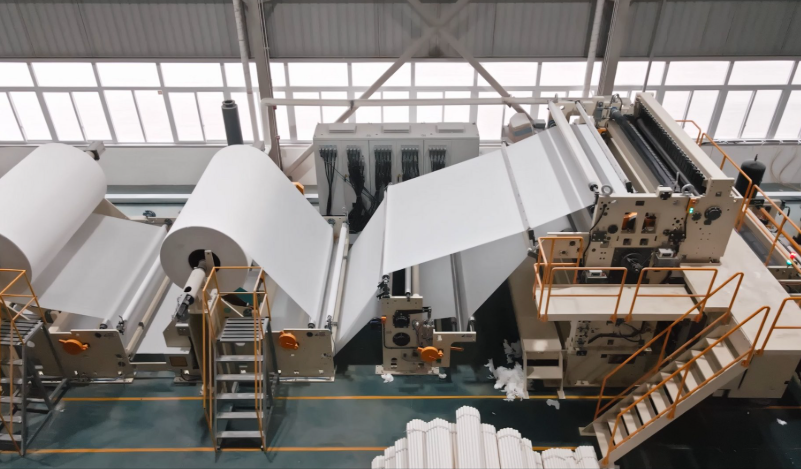
The manufacturing sector is undergoing a significant transformation driven by technological advancements. Key innovations such as IoT, robotics, and AI are reshaping production processes. Smart factories leverage real-time data, while automation enhances precision and efficiency. Data analytics provides insights for predictive maintenance and quality assurance. As these technologies converge, they foster an environment ripe for innovation. The implications of this shift raise critical questions about the future of manufacturing practices and competitive strategies.
The Rise of Smart Factories and IoT in Manufacturing
As manufacturing industries increasingly adopt advanced technologies, the emergence of smart factories—integrated environments enhanced by the Internet of Things (IoT)—is reshaping production landscapes.
Smart devices facilitate real-time data collection, enabling manufacturers to optimize processes.
Additionally, the utilization of digital twins allows for virtual simulations, improving efficiency and reducing downtime.
Together, these innovations empower companies to achieve unprecedented levels of operational freedom and responsiveness.
How Robotics and Automation Are Streamlining Production
Robotics and automation are revolutionizing production lines by enhancing efficiency and precision across various manufacturing sectors.
Through robotic collaboration, machines work alongside human operators, optimizing tasks and minimizing errors.
Automated workflows streamline processes, reducing cycle times and increasing output.
This synergy allows manufacturers to respond swiftly to market demands, driving innovation while ensuring quality and safety in production environments.
Leveraging Data Analytics for Improved Efficiency and Quality
While traditional manufacturing methods relied heavily on intuition and experience, the integration of data analytics is reshaping how companies approach efficiency and quality.
By employing predictive maintenance, organizations can anticipate equipment failures, minimizing downtime.
Moreover, data-driven quality control processes facilitate real-time monitoring and adjustments, ensuring products meet stringent standards, ultimately enhancing operational performance and empowering manufacturers to achieve greater freedom in their production capabilities.
See also : How Technology Is Transforming Global Communication
The Role of AI in Enhancing Decision-Making and Innovation
In an increasingly competitive landscape, the adoption of artificial intelligence (AI) is revolutionizing decision-making processes and fostering innovation within the manufacturing sector.
AI applications, particularly through machine learning and predictive analytics, enhance decision support and risk management. Intelligent systems drive innovation strategies, enabling manufacturers to leverage business intelligence effectively, streamline operations, and adapt swiftly to market changes, thus maintaining a competitive edge.
Conclusion
In conclusion, the transformation of manufacturing through technology, while sometimes met with skepticism regarding job displacement, ultimately fosters a more skilled workforce and enhances overall productivity. By embracing smart factories, robotics, and data analytics, manufacturers not only improve efficiency and quality but also create opportunities for innovation and growth. As the industry evolves, it becomes evident that technology serves as a catalyst for progress, enabling manufacturers to adapt swiftly to market demands and ensuring their competitive edge.