Commercial refrigeration is an essential part of daily operations for many Brisbane businesses. Restaurants, cafes, supermarkets, convenience stores, hotels, bakeries, catering companies, and other food-related businesses rely on refrigeration equipment to keep products at appropriate temperatures throughout the day. Unlike an ordinary household refrigerator, commercial systems often operate continuously while dealing with frequent door openings, changing stock levels, demanding kitchen environments, and significant workloads. When something goes wrong, the consequences can extend beyond inconvenience and affect stock, productivity, customer service, and operating costs.
For businesses that depend heavily on temperature-controlled storage, dependable Commercial Refrigeration Brisbane services can help maintain equipment and respond when faults develop. Regular servicing and timely Commercial refrigeration repairs are especially important because many refrigeration problems begin gradually. Temperature fluctuations, unusual noises, excessive frost, water accumulation, and longer compressor cycles can all indicate that the system needs attention. Recognising these symptoms early can help a business address a developing problem before it becomes a complete equipment failure.
Why Commercial Refrigeration Is Critical for Businesses
Commercial refrigeration equipment works much harder than most residential systems. In a busy restaurant, refrigerator and freezer doors may be opened repeatedly throughout a shift. New products are constantly added, staff need quick access to ingredients, and equipment may operate in a warm kitchen surrounded by ovens, grills, and other heat-producing appliances.
Maintaining consistent temperatures under these conditions requires a refrigeration system to operate effectively. When performance begins to decline, the first noticeable problem may be a slight temperature increase. Although the equipment may still appear to be running, it might no longer be maintaining the conditions required for the products stored inside.
Temperature control is particularly important for businesses handling perishable foods. Australian food-safety guidance generally requires potentially hazardous food that needs cold storage to be kept at 5°C or colder. This means refrigeration performance is closely connected with both product quality and responsible food handling.
A refrigeration breakdown can also interrupt normal business operations. Kitchen staff may have to relocate ingredients, retailers may need to move stock to another unit, and some products may become unsuitable for use if appropriate temperatures cannot be maintained. For this reason, commercial refrigeration should be treated as essential business infrastructure rather than simply another appliance.
See also: How DTF Gangsheet Builder Technology Improves Production Planning
Common Signs That Commercial Refrigeration Needs Attention
Refrigeration equipment often provides warning signs before a major breakdown occurs. One of the most obvious is difficulty maintaining the desired temperature. A unit may begin running continuously while the interior gradually becomes warmer. Common causes can include dirty condenser coils, worn door seals, airflow problems, thermostat faults, fan issues, or refrigerant-related problems.
Unusual sounds can also indicate developing faults. Commercial refrigeration equipment naturally produces some operational noise, but new grinding, squealing, clicking, rattling, or unusually loud humming deserves attention. The source could involve a fan motor, electrical component, compressor, or another moving part.
Excessive frost is another warning sign. A small amount of frost may occur during normal operation in some equipment, but heavy ice accumulation can interfere with airflow and cooling performance. Problems with door seals or the defrost system are among the possible causes of excessive frost.
Water collecting inside or around refrigeration equipment should not be ignored either. Drainage problems can cause water to accumulate, while other faults may produce moisture in unexpected areas. Similarly, a compressor that runs almost constantly may indicate that the system is working harder than necessary to maintain temperature.
Businesses should become familiar with how their equipment normally operates. Changes in temperature, sound, operating cycles, frost levels, or moisture can then be identified more quickly and investigated before the problem becomes more disruptive.
The Importance of Timely Commercial Refrigeration Repairs
When refrigeration equipment develops a fault, delaying repairs can create unnecessary risk. A minor component problem may place additional pressure on other parts of the system if the equipment continues operating under abnormal conditions.
For example, dirty condenser coils can make it harder for the refrigeration system to release heat. This forces the compressor to work harder and can contribute to higher operating temperatures and premature component wear. Commercial refrigeration maintenance guidance consistently identifies condenser cleaning as an important preventive task because grease, dust, and debris can significantly reduce system efficiency.
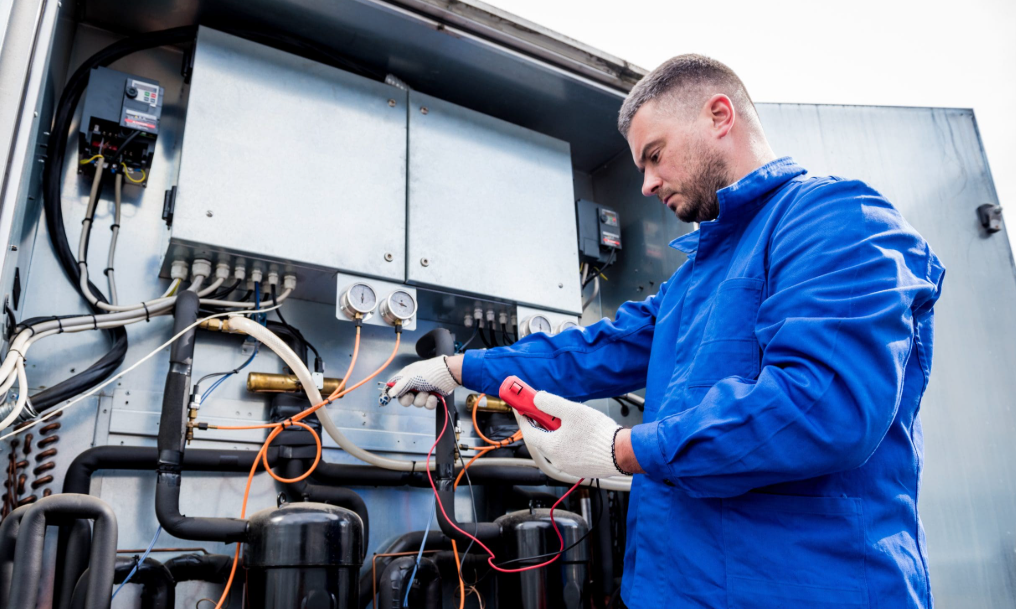
Professional Commercial refrigeration repairs should begin with diagnosis. Simply replacing a component based on a visible symptom may not resolve the underlying problem because similar symptoms can have different causes. A refrigeration unit that is running warm could have an airflow restriction, thermostat problem, damaged gasket, fan fault, refrigerant issue, or compressor-related problem.
Accurate diagnosis allows the technician to identify the actual fault and recommend an appropriate repair. It also gives the business owner useful information about the overall condition of the equipment and whether continued repair is economically sensible.
Timely repairs can also reduce operational uncertainty. A business that knows the condition of its refrigeration equipment can make better decisions about stock management, maintenance schedules, and future replacement planning.
Preventive Maintenance Can Reduce Unexpected Breakdowns
Waiting until commercial refrigeration completely stops working is rarely the best maintenance strategy. Preventive care provides an opportunity to identify wear, contamination, and developing faults while the system is still operating.
Cleaning is one of the most important aspects of refrigeration maintenance. Condenser coils can collect dust, grease, flour, lint, and other debris depending on where the equipment is installed. When this buildup restricts heat transfer, the system may consume more energy and experience additional strain.
Door seals also deserve regular attention. Damaged or loose gaskets allow cold air to escape and warmer air to enter the cabinet, forcing the refrigeration system to operate for longer periods. Maintenance guidance for commercial systems recommends checking seals for gaps, tears, and other damage and keeping them clean so doors can close properly.
The interior should also be kept organised so that products do not block airflow. Commercial refrigerators need adequate circulation to maintain relatively even temperatures throughout the cabinet. Overloading equipment or blocking vents can create inconsistent cooling and make the refrigeration system work harder than necessary.
Regular servicing can complement everyday cleaning by allowing technical components to be inspected. Fans, electrical connections, temperature controls, drainage systems, coils, and refrigeration components can all be assessed as part of a professional maintenance routine.
Commercial Refrigeration Brisbane for Different Business Needs
Commercial refrigeration is not limited to one type of equipment. Brisbane businesses may use upright refrigerators, display cabinets, under-counter units, cool rooms, freezers, preparation refrigerators, beverage coolers, and other specialised systems.
A restaurant may require several refrigeration units serving different purposes. Ingredients used frequently during food preparation may be stored close to workstations, while larger quantities of stock remain in a cool room. A supermarket may depend on display refrigeration that needs to maintain product temperatures while allowing customers easy access. Cafes and bakeries may use refrigerated display cabinets where reliable cooling must work alongside product presentation.
Because equipment and operating environments vary, servicing should take the specific application into account. A refrigerator operating in a hot commercial kitchen may face different conditions from a display unit installed in an air-conditioned retail environment.
The age, model, workload, installation environment, and maintenance history of the equipment can all influence the type of attention it requires. This is why Commercial Refrigeration Brisbane support should focus on diagnosing individual equipment rather than assuming every cooling problem has the same solution.
Repairing Existing Equipment Versus Replacing It
A commercial refrigeration fault does not automatically mean that new equipment is required. Many problems can be repaired effectively, particularly when the refrigeration unit is otherwise in reasonable condition.
The age of the equipment is an important consideration. A relatively modern unit with one repairable fault may still provide years of useful service. Replacing the faulty component can therefore be more economical than purchasing an entirely new system.
Repair history should also be considered. If the equipment has needed repeated major repairs and continues developing new problems, replacement may eventually provide better value. Businesses should consider not only the immediate repair cost but also downtime, reliability, energy use, and the likelihood of further failures.
Parts availability can influence the decision as well. Components for widely used commercial refrigeration systems may be relatively accessible, while very old or discontinued equipment can sometimes be more difficult to maintain.
Energy performance is another factor. Older equipment that operates continuously and struggles to maintain temperature may consume more electricity than a suitable modern replacement. The decision should therefore consider both short-term repair costs and longer-term operating requirements.
Protecting Refrigeration Equipment for Long-Term Reliability
Reliable refrigeration begins with daily awareness. Staff should pay attention to temperature displays, ensure doors close correctly, avoid unnecessarily leaving doors open, and report unusual noises or performance changes. Small observations can provide valuable early warnings.
Keeping the equipment and surrounding area clean can also improve operating conditions. Dust and grease should not be allowed to accumulate around accessible ventilation areas, and refrigeration units should have adequate airflow according to manufacturer requirements. Interior vents should remain unobstructed so cold air can circulate effectively.
Temperature settings should also be appropriate for the products being stored. Setting refrigeration unnecessarily cold does not automatically improve performance and can force the equipment to work harder. Australian business guidance recommends selecting appropriate temperature settings and regularly checking temperature sensors and controls.
Preventive servicing should be viewed as part of normal business maintenance rather than an expense reserved for emergencies. Planned attention gives technicians an opportunity to identify worn seals, dirty coils, drainage issues, electrical problems, and other developing concerns before they interrupt operations.
Keeping Brisbane Businesses Cool and Operational
Commercial refrigeration is easy to overlook when everything is working correctly, but its importance becomes obvious the moment temperatures begin to rise. For restaurants, retailers, cafes, hospitality businesses, and other operations handling temperature-sensitive products, reliable equipment supports food quality, efficient workflows, and everyday business continuity.
Regular cleaning and monitoring can help prevent avoidable problems, while professional servicing provides a deeper assessment of components that staff cannot easily inspect. When warning signs such as unstable temperatures, unusual noises, frost accumulation, leakage, or continuous operation appear, timely Commercial refrigeration repairs can help identify and address the cause.
Access to dependable Commercial Refrigeration Brisbane services also gives businesses a practical way to maintain existing equipment and make informed decisions when major faults develop. Repair may be the best option for equipment that remains in good overall condition, while older systems with recurring problems may eventually justify replacement.
By combining sensible daily practices, preventive maintenance, and professional repairs when necessary, Brisbane businesses can reduce unexpected refrigeration problems and protect equipment that plays a vital role in their operations. A well-maintained refrigeration system does more than keep products cold. It helps keep the entire business running reliably.